
BOSTON (7/31/23) - On Friday July 28, 2023, a conference committee of House and Senate leadership announced they had negotiated a final version of the FY24 State Budget. The Conference Committee report was sent to legislators for review. The report passed a final vote from the Legislature on Monday, July 31st.
What’s included in the Conference Committee Budget?
The Conference Committee Budget totals approximately $56 billion and includes several priorities of both the House and the Senate:
Investment in the Creative Sector
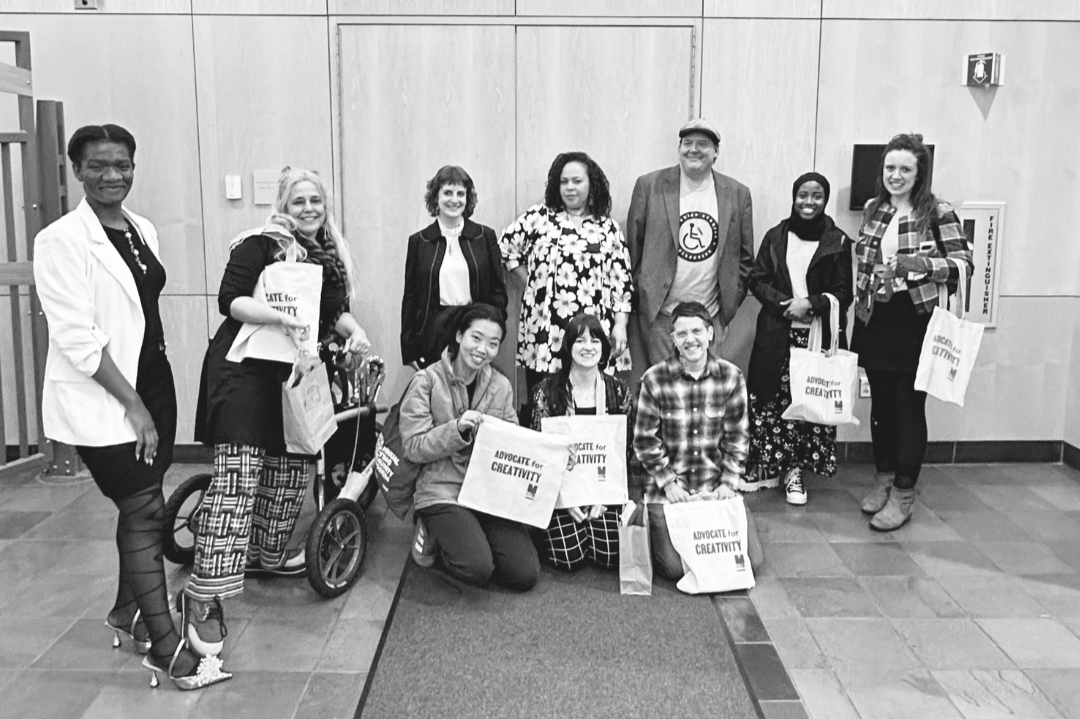
We are pleased to share that, thanks to sustained advocacy, the state’s investment in the creative sector through the Mass Cultural Council’s budget line item (0640-0300) is $25 million. This is the amount the agency requested and that advocates across Massachusetts encouraged the Legislature to embrace during the last six months. Thanks to the 11% increase from last year’s allocation, Massachusetts now ranks 8th in the nation for annual state funding for the arts according to a new report from the National Assembly of State Arts Agencies. Additionally, this year's allocation provides $3.71 of arts spending for every resident of the Commonwealth. The line item also includes $895,000 in earmarks for special projects and arts groups across Massachusetts.
Travel and Tourism
The Conference Committee Budget includes funding for the Massachusetts’ Marketing Partnership, which includes the operations and programs of the Office of Travel and Tourism through three line items:
7008-0990, allocates $6.87M for the operations of the Mass Office of Travel and Tourism, specific earmarks for tourism and cultural programs, and $3M for recovery funding for the Tourism Sector. This line item is $3.8M less than FY23 primarily due to a reduction in recovery support funding.
7008-1116, allocates $28.5M in earmarks for local economic development projects. Some arts and cultural organizations and programs are included in these earmarks. This is $11M more than FY23.
7008-1300, allocates $128,703 for the Massachusetts International Trade Office, about $6,000 more than FY23.
Other Highlights from the Budget
$6.59 billion for Chapter 70 K-12 public education funding; Chapter 70 is allocated to every local and regional school district in Massachusetts.
$1.27 billion for unrestricted funding to cities and towns
$172 million for free school meals for all public school students
$50 million to support free community colleges across all campuses by Fall of 2024, with specific funds allocated to students 25 or older.
Finally, ConnectorCare coverage will be expanded in a two year pilot program. This expansion will make 47,000 - 70,000 residents newly eligible for more affordable health care coverage.
You can read the full Conference Committee Report and Budget here.
What Comes Next?
The conference committee version of the budget and passing vote are traditionally the penultimate step in the annual budget process. Once passed by the Legislature, the budget will move to the Governor for signature, veto or line item veto. Should the Governor choose to veto or line item veto (where she vetoes specific lines or sections), the budget will then return to the Legislature for an override vote.
Read our article on the annual state budget process for more details.
We are thankful to the members of the conference committee for retaining increased funding for the creative sector as well as key investments that allow artists, creative workers and arts administrators to continue to live and work in the Commonwealth. We encourage advocates to send a short message to their state representatives and state senators thanking them for the increased support. You can use MASSCreative’s Find My Legislator Form to look up your elected officials.
While this year’s budget process is nearly complete, the MASSCreative Action Network continues to work with advocates and changemakers across the Commonwealth on key bills that will support a more equitable and inclusive creative sector. Learn more about the Creative Sector Agenda and how you can get involved.