RULES ABOUT LOBBYING AND ADVOCACY FOR NONPROFITS

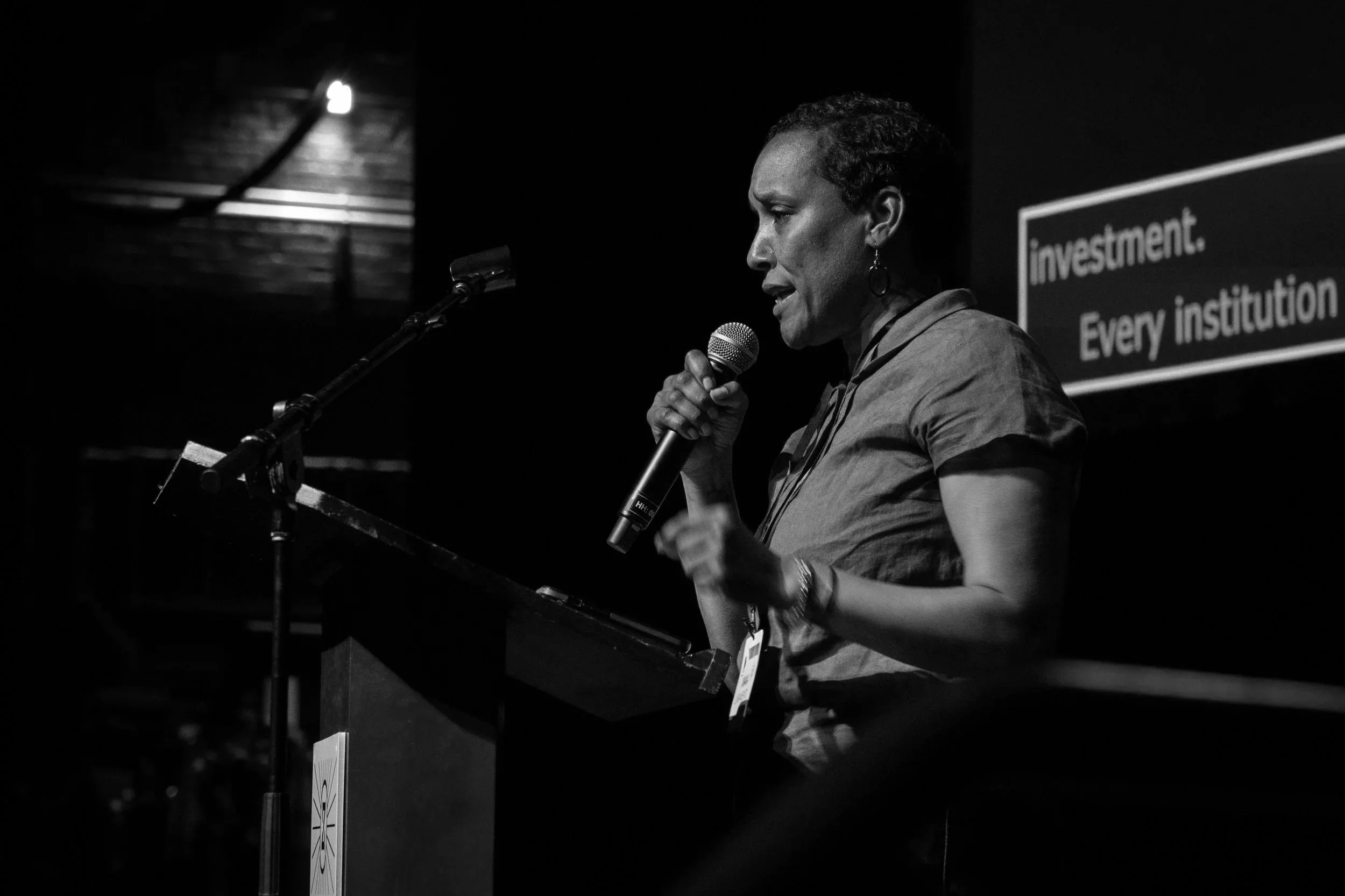
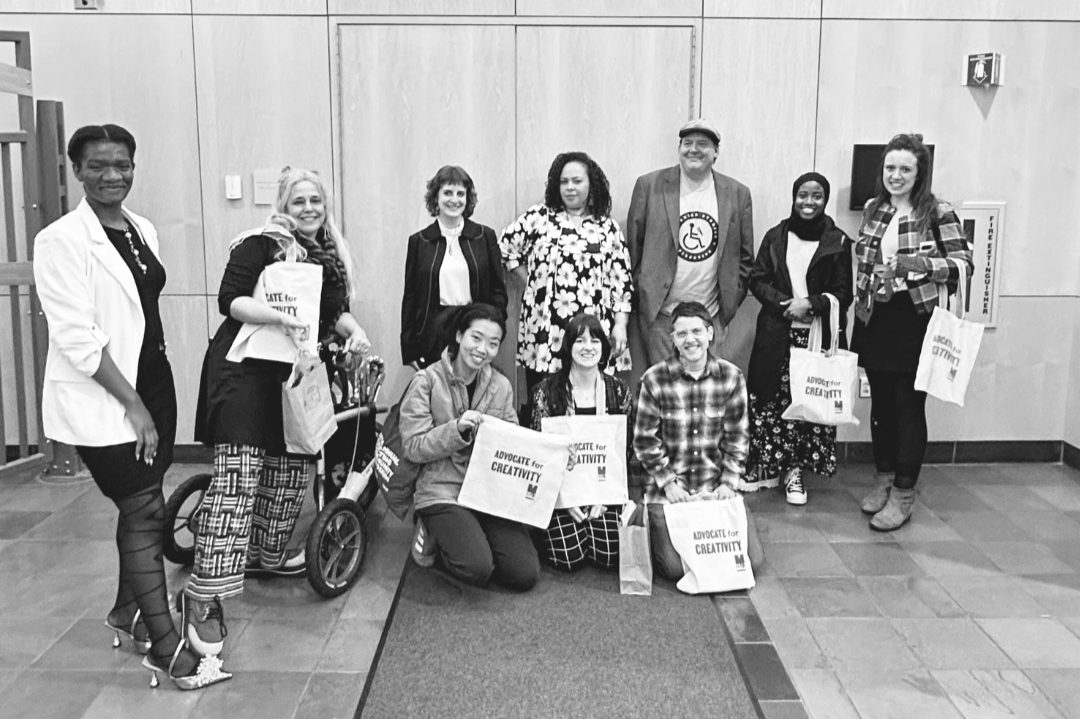
Arts leaders at the 2025 Creative Sector Summit. Photography by Steph Craig Studios.
There is a lot of misinformation about what nonprofits can and can’t do when it comes to advocacy and lobbying. 501(c)(3) nonprofits are allowed to advocate on issues and legislation that impact their organizations and the communities they serve.
Too many organizations refrain from advocacy because they think that they are prohibited from lobbying or that they will jeopardize their tax-exempt status - but this is false. We need cultural nonprofits to take front and center roles in building a more equitable and inclusive creative sector and that starts with understanding how you are actually allowed to lobby and advocate.
MASSCreative put together this guide and list of resources to help you better understand how your cultural nonprofit can increase its advocacy. For specific legal advice, we recommend contacting Volunteer Lawyers for the Arts or speaking with your counsel.
QUICK FAQ:
-
Advocacy, or asking for what you need, is an important part of our daily lives. As nonprofits, we ask for what our organizations and our constituents need all of the time. Here are a few types of advocacy:
Public Education: This includes providing information to your community on the issues that matter to your organization, holding trainings or workshops, and educating elected officials on the role and impact of your organization’s work in their district.
Research: This includes conducting data collection, publishing white papers, and sharing case studies that effectively tell the story of your issue.
Lobbying is a direct attempt to influence legislation, according to the IRS. This includes activities such as:
Directly communicating with an elected official or government worker on legislation, government spending, or a specific decision that you want them to take.
Encouraging your staff, board of directors, or community members to directly communicate with their elected officials or government employees regarding legislation, government spending, or a specific decision that you want them to take.
Publicly expressing your organization’s position (in support or opposition) on legislation, government spending, or a specific decision you want your elected officials to take.
According to the IRS, 501(c)(3) organizations are allowed to pursue unlimited research and public education advocacy.
It is only when your advocacy efforts fall under the definition of lobbying that you must carefully track and limit your efforts. That does not mean that you are prohibited from lobbying. Nonprofits are allowed to conduct an insubstantial amount of lobbying in relation to issues that are aligned with the organization’s mission. While the IRS has not officially defined what amount is considered insubstantial, most organizations limit their lobbying activities to 3-5% of their overall activities.
-
Here is a quick rundown of things a nonprofit can do, can’t do, and can do in moderation:
Do:
Invite your elected officials and their staff to see your organization’s work and programs.
Share relevant news, data, and updates on your organization with your elected officials and their staff.
Encourage your board of directors and staff to connect with their elected officials and share why they believe in your organization’s work.
Don’t:
Nonprofit organizations can’t make donations or in-kind gifts to elected officials.
Nonprofits can’t provide staff with funds to attend political fundraisers.
Nonprofits can’t provide free space for elected officials to hold political fundraisers.
Nonprofits can’t share their mailing list with an elected official or their staff.
Endorse candidates.
Do In Moderation:These actions qualify as lobbying and should be tracked to ensure your organization meets the insubstantial lobby guidelines.
Staff, on behalf of the organization, may reach out to elected officials and their staff in support of or opposition to specific legislation.
Staff, on behalf of the organization, may communicate with elected officials or their staff regarding government spending decisions.
Author an Op-Ed or Letter to the Editor that specifically supports or opposes specific legislation.
Send emails, post to social media, or share literature that encourages constituents to communicate with their elected officials in support or opposition to legislation and government spending decisions.
-
Elections are a time when communities consider their future and discuss pressing issues. As trusted community leaders, cultural organizations play an important role in disseminating important information to voters.
Below are some useful ways nonprofits can engage in election seasons. 501(c)(3)’s CAN:
Share information on registering to vote and the voting process.
Conduct voter registration events.
Encourage voter participation and turnout.
Encourage participation in the census and educate its community on the importance of the census.
Distribute voter guides with all questionnaire responses from candidates.
Send policy papers or information on important issues to candidates.
Distribute questionnaires to candidates asking for their positions on issues.
Host candidate forums for candidates to share their positions with voters.
Please note: When sharing information or conducting events with candidates, 501(c)(3)’s must make every effort to communicate and engage all candidates running for a particular office.
501(c)(3)’s CANNOT:Endorse or publicly support a candidate running for office.
Make campaign contributions for or against a candidate.
Provide in-kind support (free event space, sharing contact lists, or consulting on campaigns.)
Host a fundraiser for a candidate.
Invite a candidate to speak to staff, board of directors, or members without inviting all candidates to speak.
Write, contribute to, or give feedback on the candidate’s platform or policy priorities.
Rank or compare candidates on special interest legislation or policies.
On February 12, 2026, MASSCreative’s Executive Director Emily Ruddock led a webinar explaining these rules in greater depth. Check out the webinar recording and additional resources listed below for further guidance.
FEB. 2026 WEBINAR RECORDING:
ADDITIONAL RESOURCES:
Slides from MASSCreative’s webinar recording linked above (LINK)
501(c)(3) Political Activity Slides from Arts & Business Council of Greater Boston (LINK)
Bolder Advocacy is a nonprofit dedicated to helping nonprofits increase their advocacy efforts. They have a library of useful resources and conduct training (LINK)
Nonprofit Vote offers resources for engaging in elections and remaining nonpartisan (LINK)
The Massachusetts Secretary of State’s website provides important information regarding lobbying registration requirements (LINK) - Please note that most nonprofits will not need to register in the lobbying system. Be sure to consult with your legal advisors.
The National Council of Nonprofits has a website full of resources to support nonprofits in their advocacy (LINK)
Volunteer Lawyers for the Arts helps artists, cultural organizations, and creative entrepreneurs through a lawyer referral program, direct representation, and educational programs (LINK)
If you’re looking to adopt an advocacy policy with your board, you might consider referencing this sample from the National Association of Community Health Centers (LINK)