600+ ARTS ADVOCATES ATTEND CREATIVE SECTOR DAY 2026
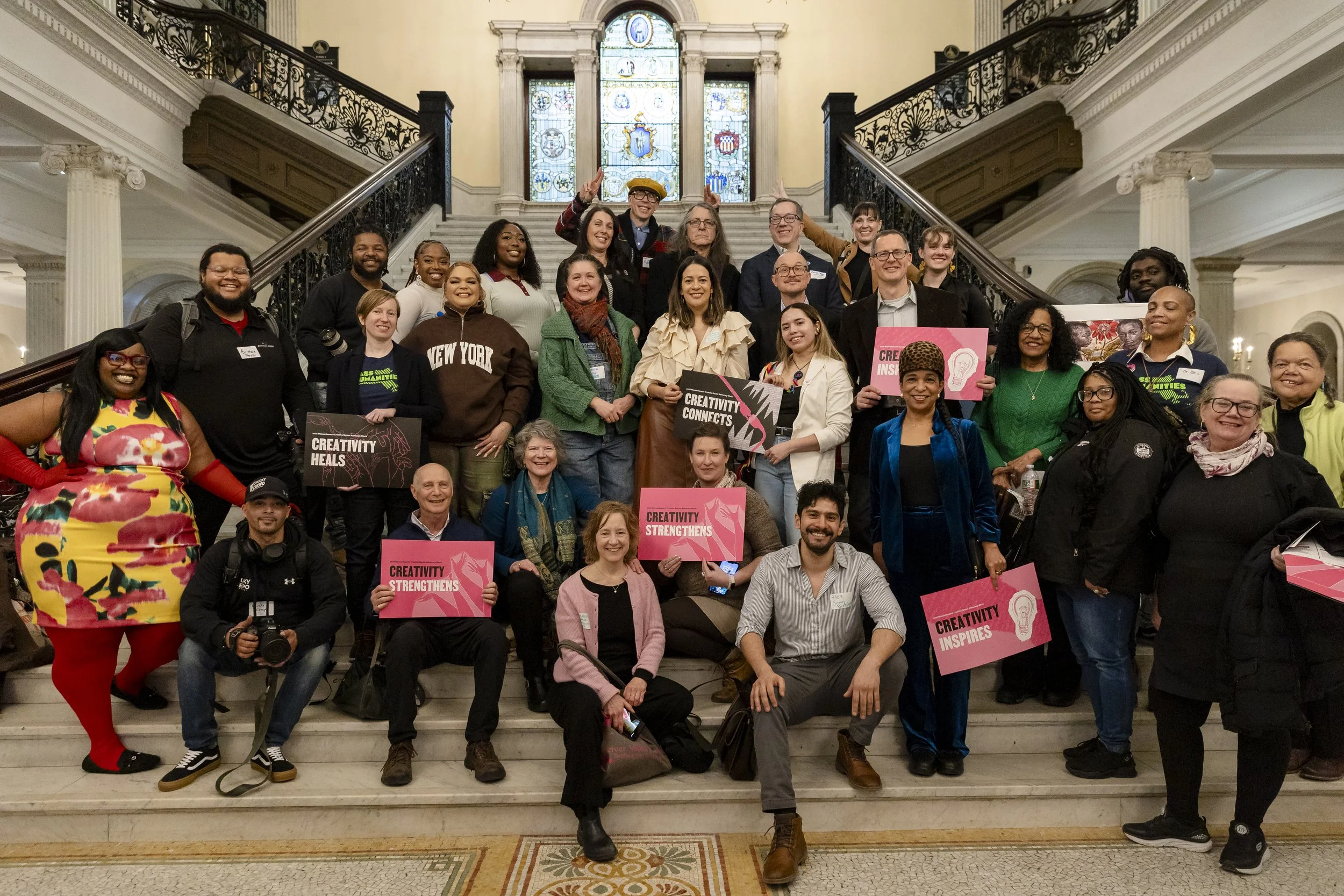
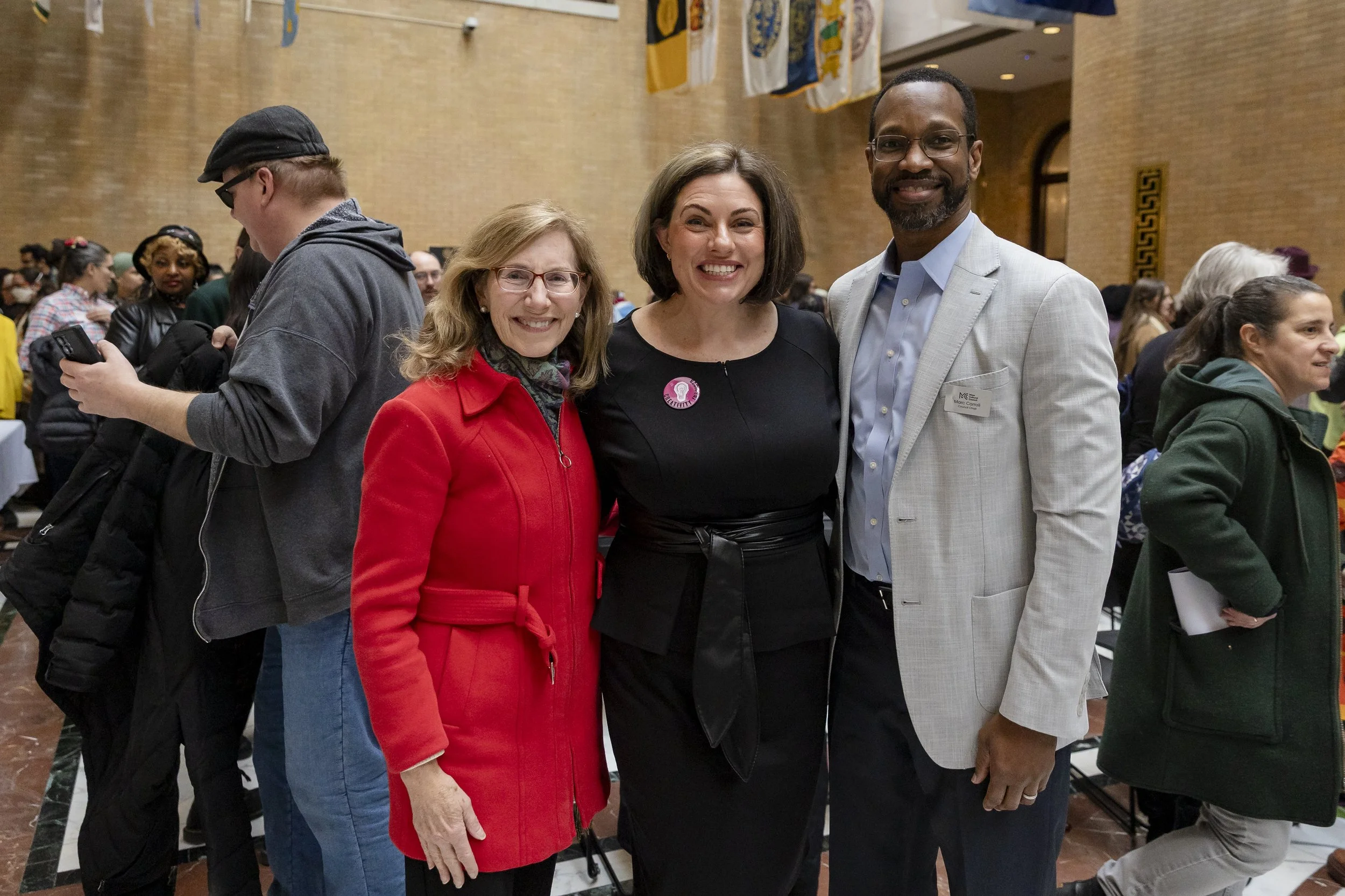
Image of Western Mass Arts Advocacy Coalition at Creative Sector Day 2026. All images by Steph Craig Studios.
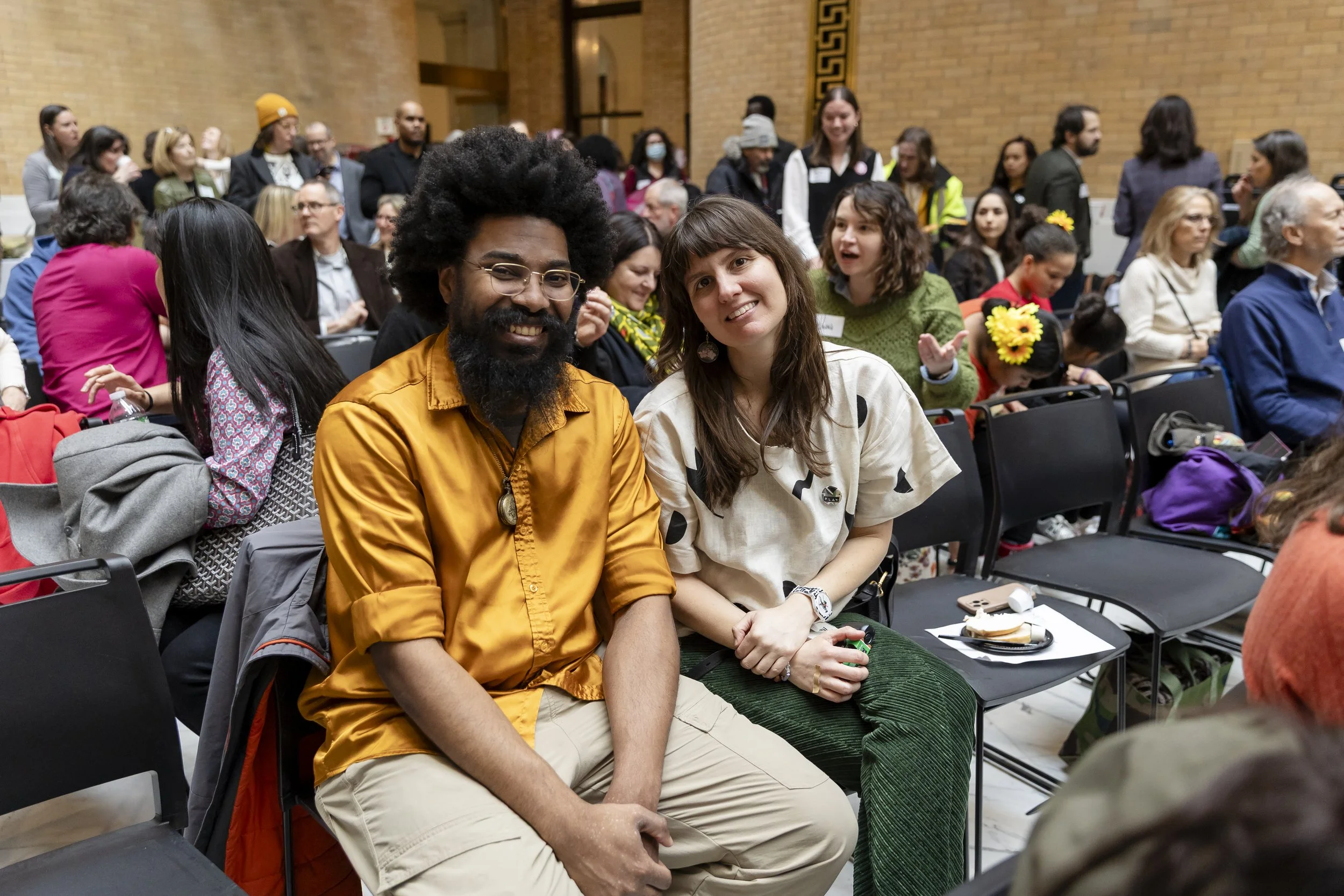
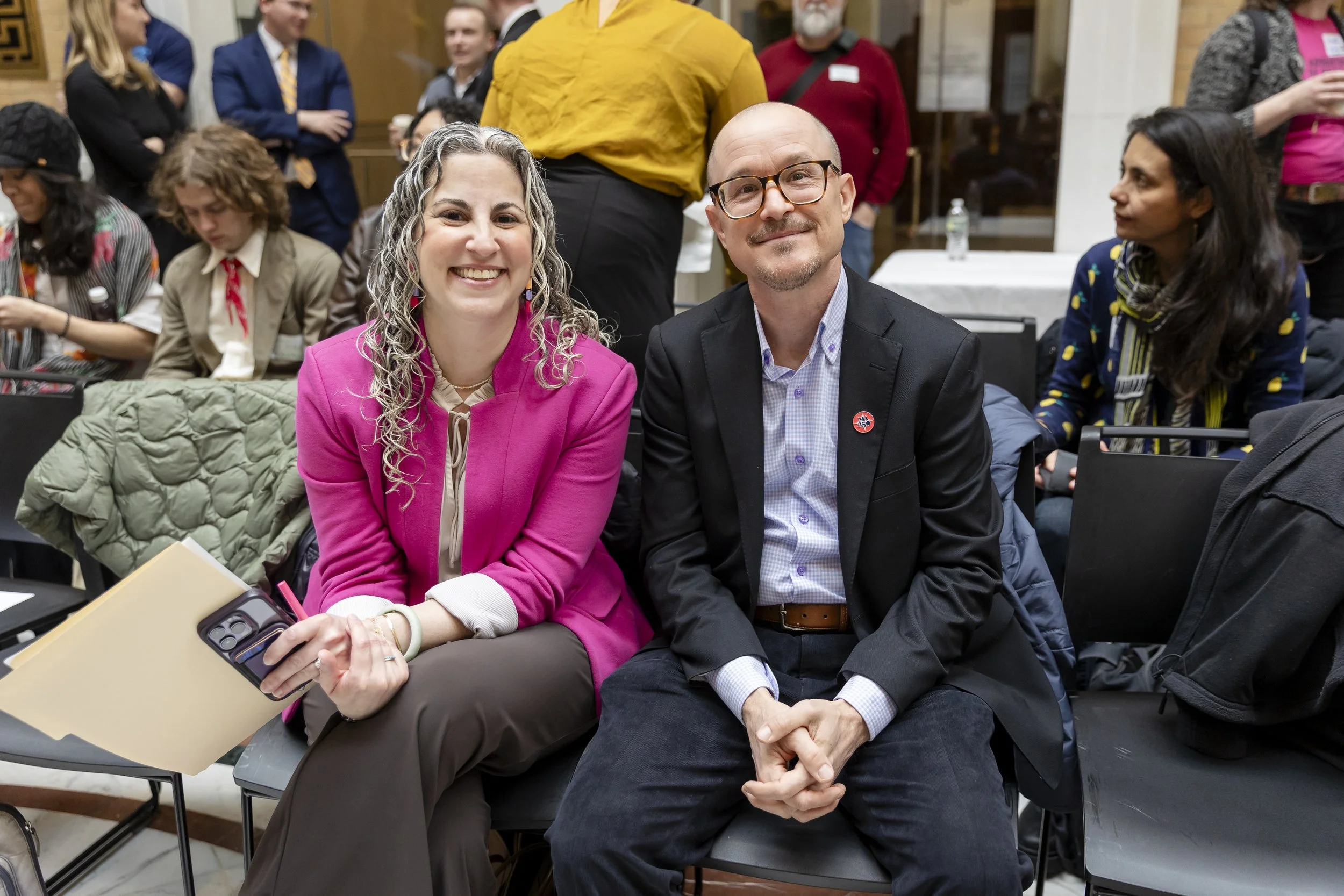
On Tuesday, March 3, 2026, more than 600 artists, creatives, arts administrators, arts educators, cultural planners, local cultural council members, culture bearers, nonprofit leaders, and elected officials registered for the third annual Creative Sector Day at the State House. Creative Sector Day is a core feature of Creative Sector Advocacy Week in Massachusetts, which is planned annually to elevate the social, civic, and economic contributions of the Commonwealth’s creative sector.
According to the National Endowment for the Arts and the U.S. Bureau of Economic Analysis, arts and culture account for $29.7 billion in economic value, 135,000 jobs, and 4.04% of the Massachusetts economy.1 Economic value contributed by arts and culture ranked second compared to other key sectors, including retail, construction, and education. In 2022, Americans for the Arts released their Arts & Economic Prosperity 6 (AEP6) analysis of the City of Springfield, which found that attendees of arts and cultural events spent an average of $31.85 per person on related goods including parking, transportation, and dining. Individuals who traveled from outside of the county where the event took place contributed an average of $51.83 to the local economy. Vitally, the creative economy contributes vibrancy to Massachusetts communities, continues traditions of storytelling, and promotes social cohesion.
On Creative Sector Day, advocates met with lawmakers and legislative staff to urge the Legislature to pass an FY27 State Budget that maintains robust funding for arts, culture, tourism, and libraries. Their priorities included investing $27.3 million for the Mass Cultural Council, a $2 million increase for the Massachusetts Tourism Trust Fund, $21 million for the State Aid to Public Libraries Program, $19.6 million for the State Aid to Regional Libraries Program, $2.1 million for the Massachusetts Board of Library Commissioners, and $3 million for the District Local Technical Assistance Fund.
These requests come at a pivotal moment; in March 2025, the Department of Government Efficiency (DOGE) placed approximately 80% of staff at the National Endowment for the Humanities (NEH) on administrative leave and terminated thousands of individual grants. The Trump Administration also issued Executive Order 142384 in a move to dismantle the Institute of Museum and Library Services (IMLS). The Administration began canceling National Endowment for the Arts (NEA) grants in May and proposed eliminating the NEA, NEH, and other federal agencies that support arts and culture in their FY2026 budget proposal. On January 5, 2026, the Corporation for Public Broadcasting (CPB), a private agency that has steered federal funding to PBS, NPR, and hundreds of public television and radio stations across the country since 1967, voted to dissolve after Congress passed a package of spending cuts that included the agency. While many of these executive actions are under litigation, the precarity of the federal funding landscape for arts and culture underscores the need for stable investments from the Commonwealth.
“In Massachusetts, artists, cultural nonprofits, and creative businesses are at the heart of every community. Dedicating public resources to supporting arts and culture is a sound investment that delivers returns on community well-being, health, and wellness. This is a moment where our state can and needs to stand up for artists and creatives. We can send a clear message as a state that we’ll continue to have artists’ backs and we’re not stepping away. MASSCreative is grateful that we have continued strong support from the Healey-Driscoll Administration in H.2 and we hope the Legislature matches that support.”
Advocates also called on legislators to advance the Creative Sector Agenda, including passage of the Creative Space Act (H.3587/S.2334) this session. The Creative Space Act would address the ongoing crisis over disappearing creative maker and studio spaces across the Commonwealth by establishing “creative space” and “presentation space” land restrictions to protect and develop new creative production and exhibition spaces, as well as establish local options for Creative Space Trust Funds.
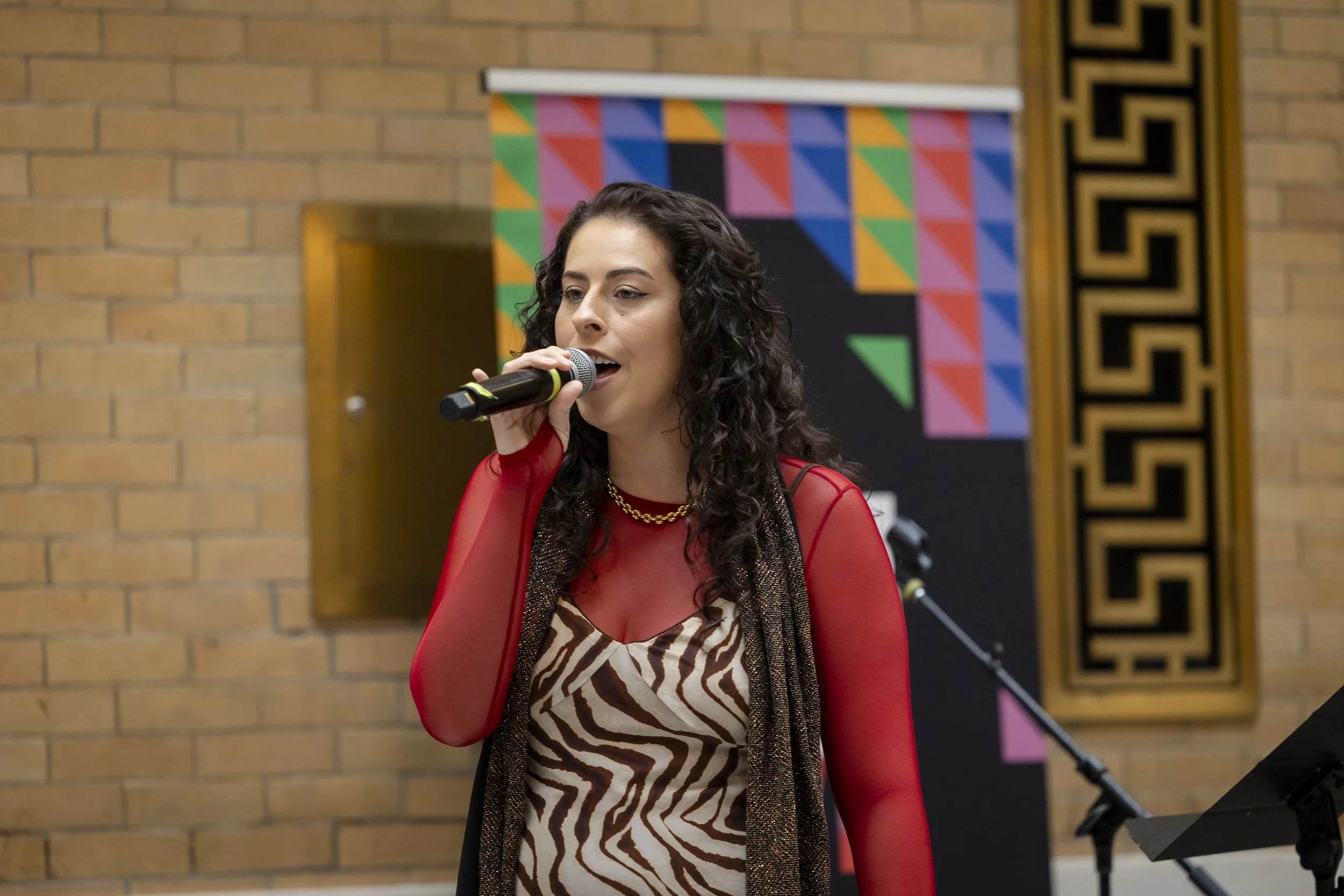
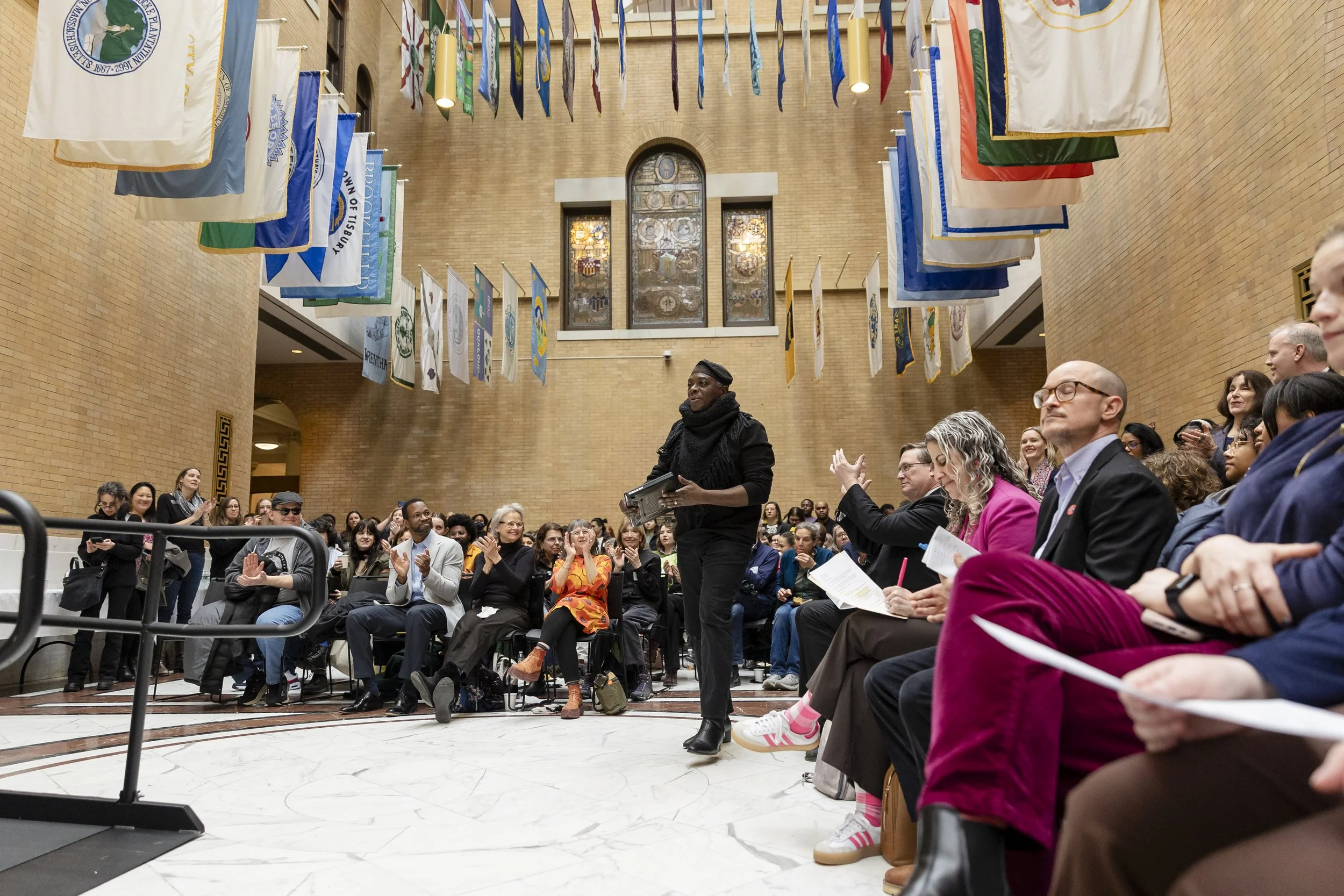
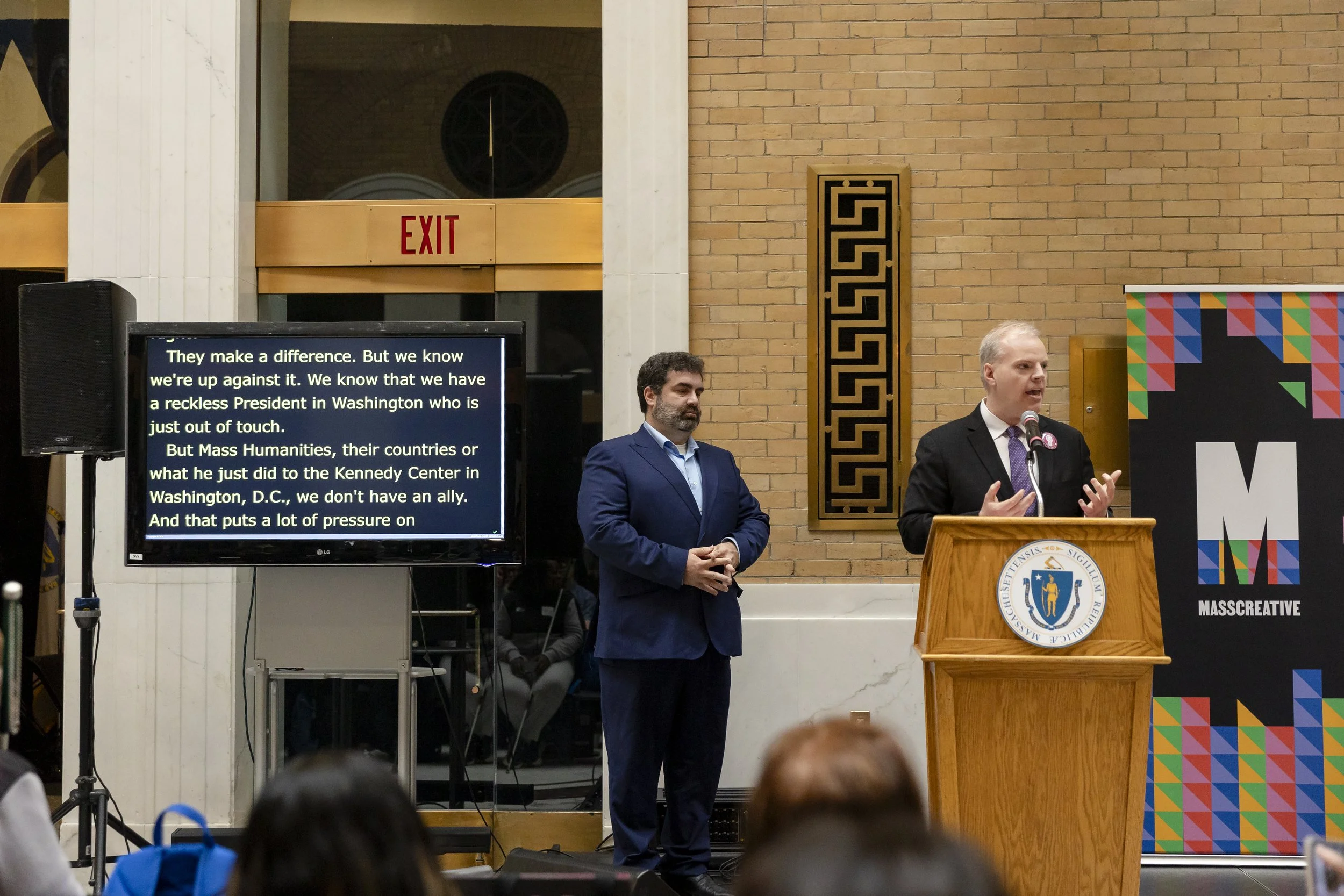
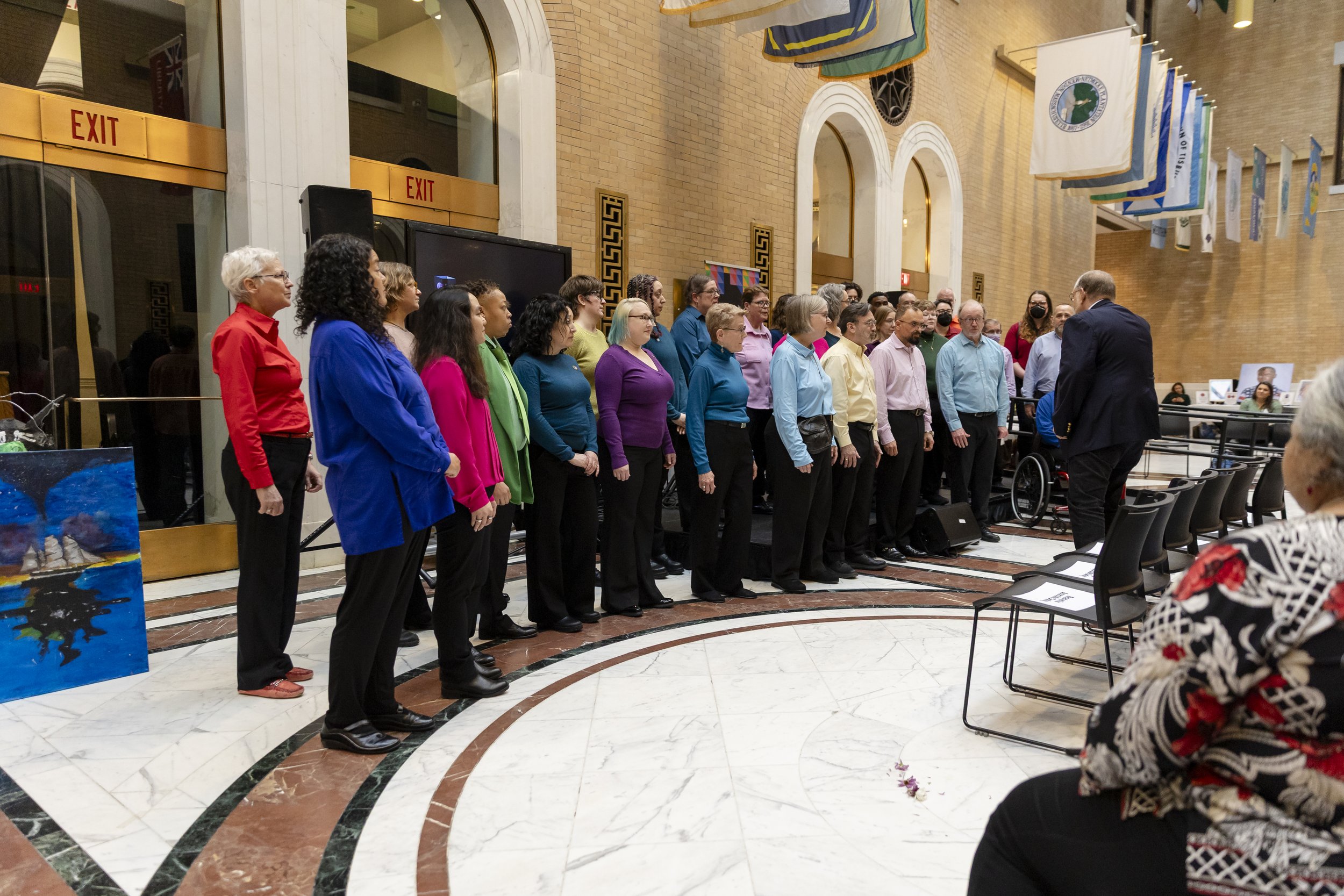
Creative Sector Day began in the Great Hall of the State House with a formal speaking program and two performances. Speakers included MASSCreative’s Executive Director Emily Ruddock, Massachusetts College of Art and Design’s President Mary K. Grant, Metropolitan Area Planning Council’s Executive Director Lizzi Weyant, Representative Sean Garballey, Senator Paul Mark, Mass Cultural Council’s Acting Executive Director David T. Slatery, and Mass Humanities’ Executive Director Brian Boyles. The speaking program was bookended by performances from Regie Gibson, Massachusetts’s first Poet Laureate, and opera and hip-hop artist Zakiyyah Sutton.
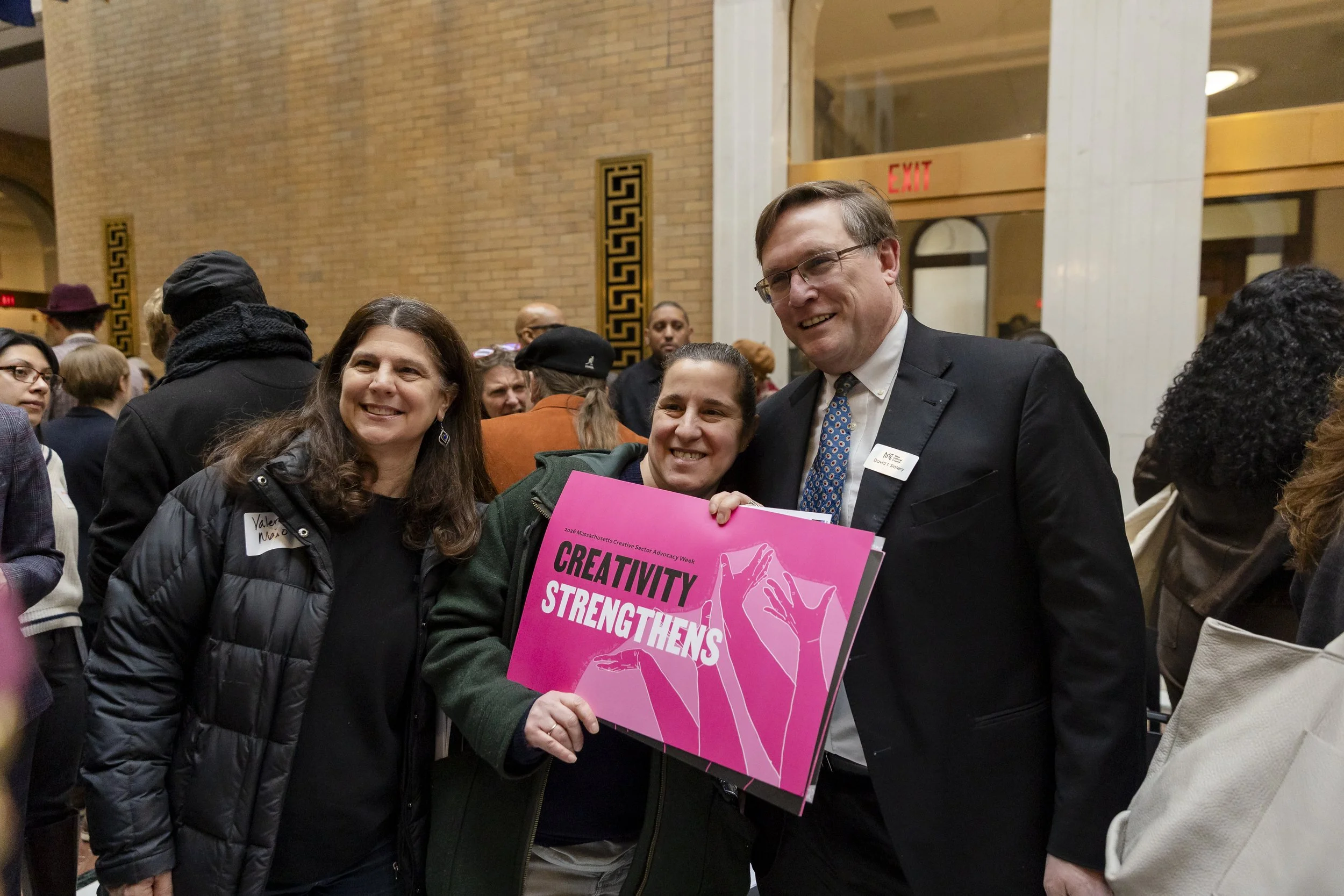
Image of advocates holding a Creative Sector Day poster, designed by artist Michaelann Ferro, with Mass Cultural Council Acting Executive Director David T. Slatery.
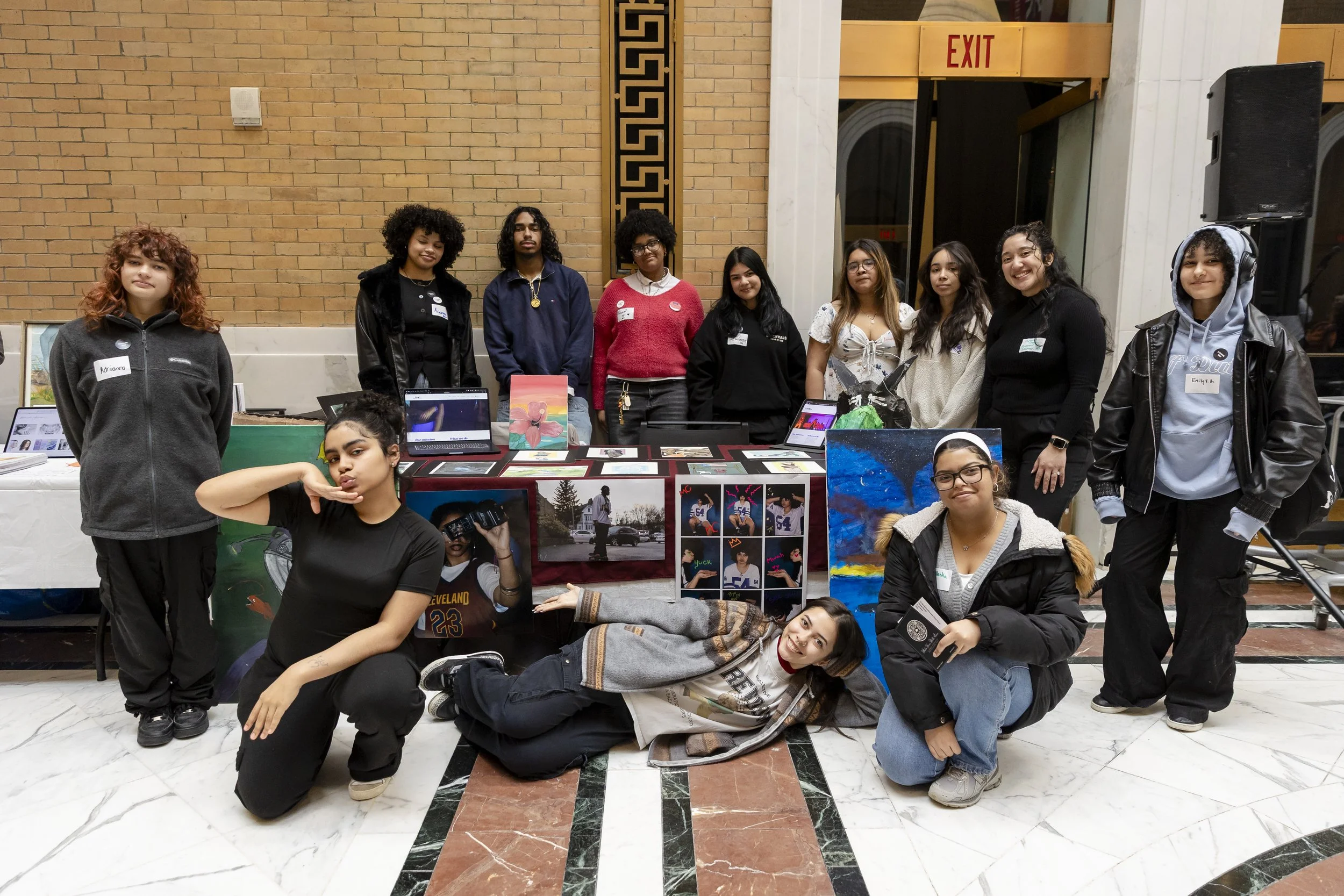
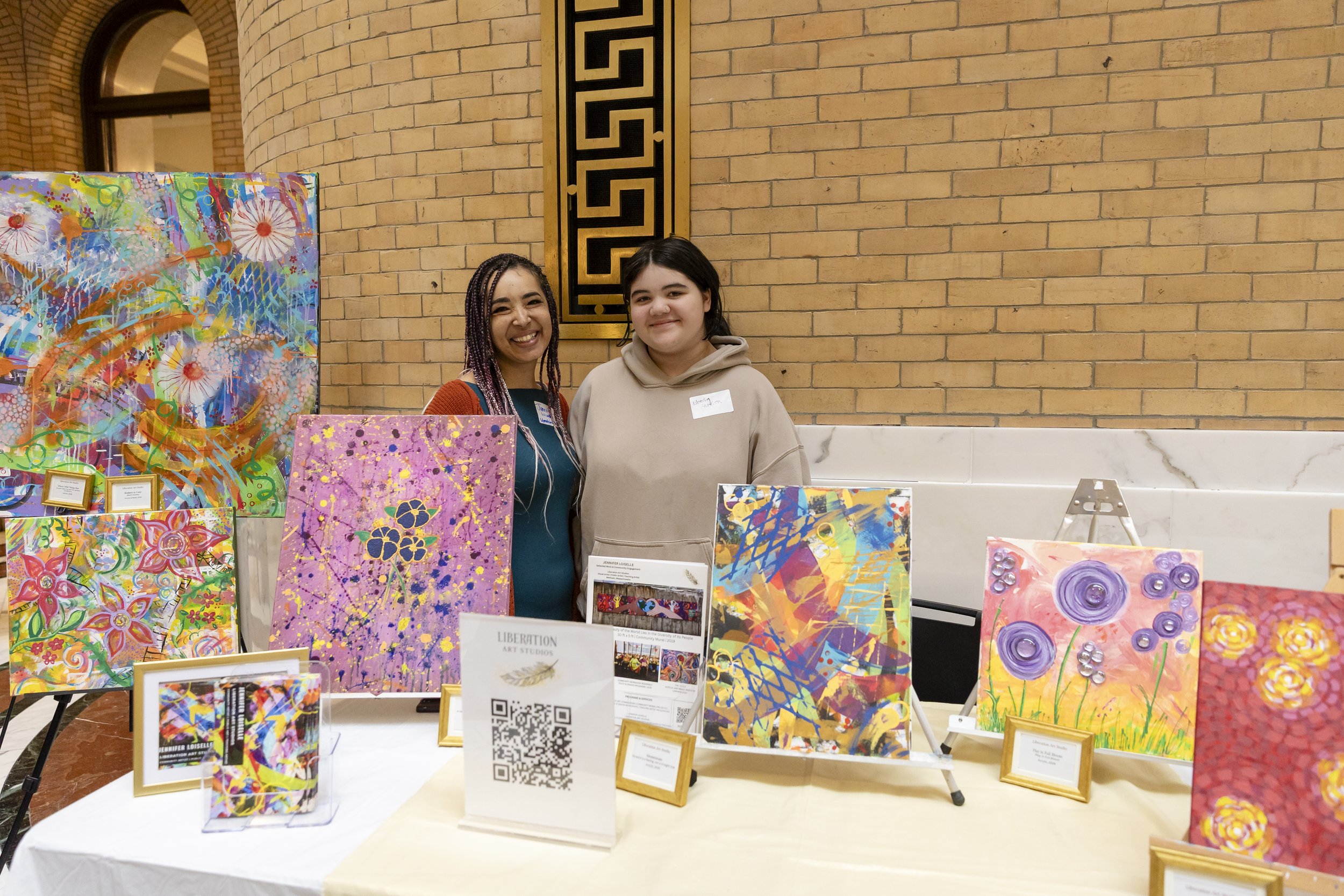
Following the formal program, 46 performances and exhibits animated the Great Hall and areas near the Grand Staircase. Artist showcases were delivered by multi-disciplinary creatives and cultural organizations from each region of Massachusetts, including Beat the Odds from the City of Boston, Berkshire Theatre Group in Pittsfield, and No Evil Project in Worcester. Animator and Massachusetts College of Art and Design graduate Michaelann Ferro was commissioned to design the posters and pins on display at the State House associated with this year’s program. All of the scheduled artists were compensated for their participation thanks to support from the Mass Cultural Council.
“Artists deserve to be paid for their time, talent, and expertise. We’re proud to partner with MASSCreative to put that belief into action by ensuring every artist performing or exhibiting today is compensated for their work. Supporting artists in this way is an excellent use of state funding, investing directly in the creative workforce that strengthens communities and drives our economy.”
Advocates traveled from every region of the Commonwealth to attend Creative Sector Day. Complimentary buses were sponsored by the Community Foundation of Western Massachusetts and the Greater Worcester Community Foundation from Northampton, Springfield, and Worcester to ensure broad geographic representation. Essex County Community Foundation and Creative Collective LLC on the North Shore sponsored a bus for advocates from Salem. New Bedford Creative sponsored transportation for advocates from New Bedford. This effort to provide complimentary transportation to Creative Sector Day continues to grow as communities seek new methods to reduce barriers to civic engagement.
CREATIVE SECTOR ADVOCACY WEEK
Creative Sector Day is one part of an annual, weeklong, statewide Creative Sector Advocacy Week celebration that is happening between March 2nd to March 6th, 2026.Throughout the week, arts advocates are hosting events, meeting with elected officials, and increasing the visibility of the creative sector in their communities. Activists are organizing events such as a 24-hour livestream kickoff hosted by Springfield Creative City Collective, an AAPI Arts & Culture Collaborative Breakfast in Boston through the Asian Community Fund at The Boston Foundation, and a Fall River Policy Makers Roundtable Discussion hosted by Fall River Arts & Culture Coalition.
Creative Sector Advocacy Week was planned by a host committee consisting of independent artists and representatives from #ARTSTAYSHERE Coalition, AAPI Arts & Culture Collaborative, Abilities Dance, Amanda Shea, Artists for Humanity, Arts Foundation of Cape Cod, Assets for Artists, Arts Action Consortium, Berkshire Cultural Asset Network, Board of Library Commissioners, Bombyx, Boston Symphony Orchestra, Building Creative Power MA, Community Music School of Springfield, Elevated Thought, Embrace Boston, Essex Arts Center, Fall River Arts & Culture Coalition, Fitchburg Cultural Alliance, Global Arts Live, LaunchSpace, Massachusetts College of Art and Design, MASSCreative, Mass Cultural Council, Mass Humanities, MASS MoCA, Metropolitan Area Planning Council, Monkeyhouse, Mosaic Lowell, New Bedford Creative, New England Foundation for the Arts, New England Museum Association, Raw Art Works, Springfield Creative City Collective, Springfield Cultural Partnership, Clark Art Institute, Worcester Cultural Coalition, and ZUMIX. It is sponsored by the Mass Cultural Council, Bloom Arts Strategy, Community Foundation of Western Massachusetts, CreativeGround, Greater Worcester Community Foundation, New England Foundation for the Arts, Philanthropy Massachusetts, SouthCoast Community Foundation, The Boston Foundation, and Third Sector New England (TSNE).