INSIDE THE STATE BUDGETING PROCESS

Maintaining and increasing public investment in the creative community requires constant and broad grassroots activism throughout the annual budget process.
Each year in Massachusetts, the Governor and Legislature comes together to decide what the state’s budget priorities are for the next fiscal year. Budgets are a reflection of our values as a Commonwealth and it’s essential for advocates to not only pay attention to what’s being considered in the budget, but to participate in the budgeting process by informing lawmakers about what we believe is worth investing in.
This means that as a creative community, we need to be active and vocal in urging the Governor and Legislature to pass the strongest possible budget for arts, culture, humanities, library services, and tourism. The creative sector positively impacts every city and town in our state. It’s critical that we continue to educate lawmakers about the essential roles that artists, creatives, and cultural organizations play in promoting civic life, healthy and cohesive communities, education, placemaking, and, here’s a big one for budget writers - generating needed revenue for our economy.
Lawmakers have a finite amount of resources that they need to divide among different priorities and sectors. We continuously persuade them to invest in the creative sector by sharing our data and stories of impact throughout key parts of the state’s budget timeline.
Understanding this timeline gives you more power to influence their final decisions on the fiscal year budget.
In Massachusetts, our state’s fiscal year is between July 1st - June 30th of each year. The formal process for developing the next years budget starts in January when the Governor releases their administration’s budget. Below is a timeline of when and how the budget is passed.
We’ve included points along the way where your participation and voice is needed the most. We invite you to join arts and cultural advocates across the Commonwealth in engaging with lawmakers and urging them to continue investing in arts, culture, and creativity.
THE STATE BUDGET TIMELINE
-
During the month of December, the Governor’s Administration is hard at work developing a spending plan that will eventually become the Governor’s Budget. Many factors are taken into consideration including tax revenue forecasts, existing spending commitments, and larger national economic trends.
By the fourth Wednesday of January, the Governor must release their budget proposal. This marks the official kickoff of the budget process.
Note: During the Governor’s first term in their first year, the Governor can submit their budget after the fourth Wednesday of January.
-
Following the Governor submitting their budget, the Joint Committee on Ways and Means holds a series of hearings for key sectors and areas of consideration in the budget, including economic development and health and human services.
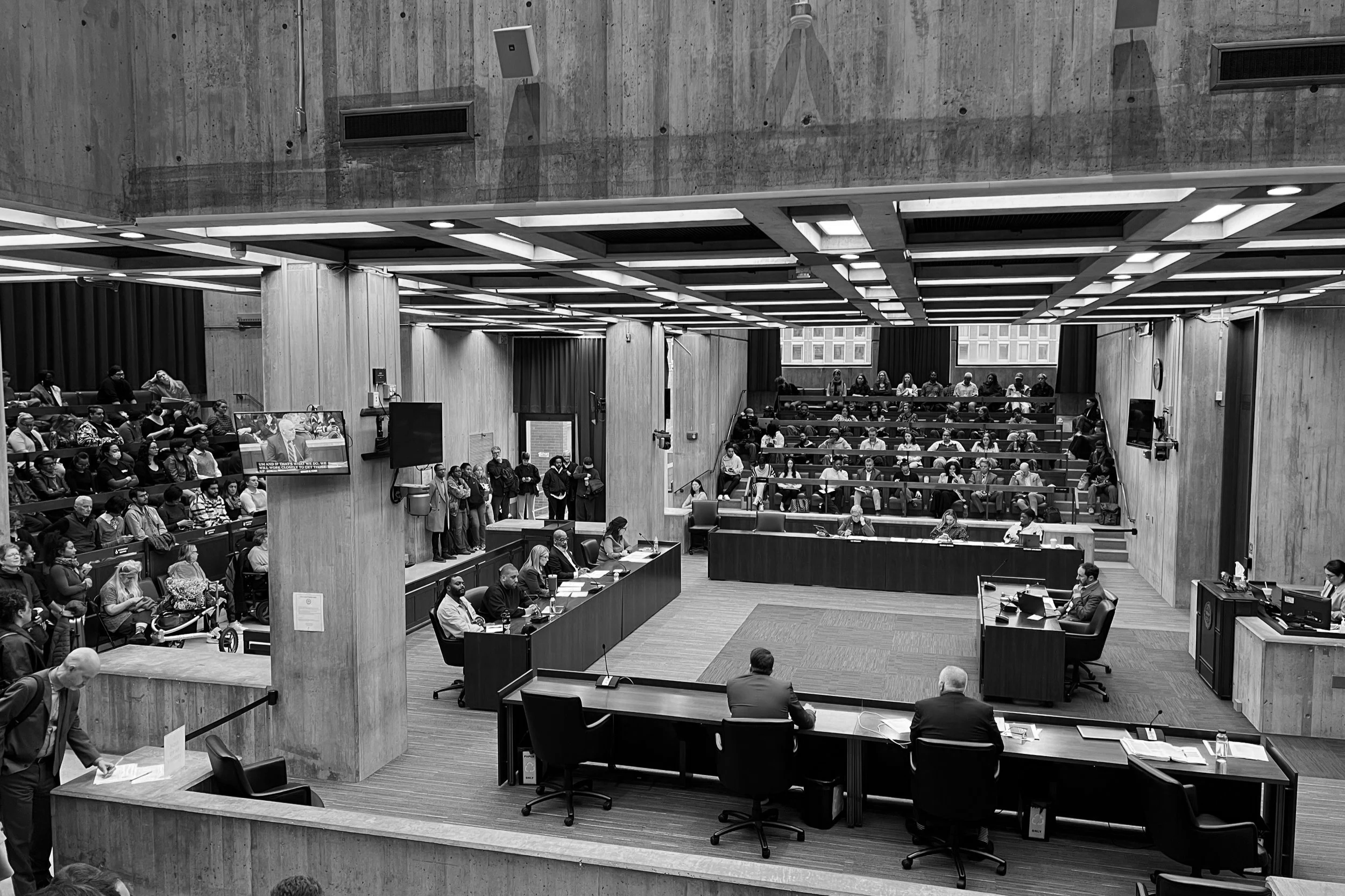
Public Hearings allow the Ways and Means Committee the opportunity to hear from state agencies and the public about what is needed to keep government programs and operations going for the coming fiscal year.
Along with the Speaker of the House and Senate President, the Chairs of Ways and Means also hear from fellow lawmakers on what they most want to see included in the budget. With 200 members representing every corner of the Commonwealth, distilling these various priorities takes a long time.
Many advocacy groups, changemakers, and organizations plan days at the State House to make sure their priorities are considered in the budgeting process.
-
Following budget hearings and meetings, the House Ways and Means Committee releases its proposed budget (approximately mid-April).
The House Ways and Means Budget is then debated by the House. Before budget debates or floor votes begin, members of the House can offer amendments to the budget to propose increases or decreases in funding to certain programs and state agencies, request earmarks for local projects, or to propose including one of their policy priorities.
Once a Representative offers an amendment, members of the House can sign on as co-sponsors to show their support for a specific spending area or priority. The more co-sponsors the amendment gets, the more support that particular spending priority has. The more calls, emails, and meetings a representative receives regarding an amendment, the higher the chances are that they will sign on as a co-sponsor.
The House typically votes on larger bundles of amendments by topic, or “Consolidated Amendments.” After all the amendments are considered, the House votes on a final version of its budget. Once the budget is passed, it moves to the Senate.
Notes on Advocacy: The creative community is fortunate to have co-chairs of the Joint Committee on Tourism, Arts and Cultural Development who work with us to ensure spending for arts, culture, and creativity is at appropriate levels. This can include filing an amendment to increase spending if needed. For more than a decade, MASSCreative has worked with partner arts advocates and member organizations to reach out and ask members of the House to sign on as co-sponsors of amendments to increase the Mass Cultural Council line item, when necessary.
-
Like the House, the Senate Ways and Mean Committee will develop their own budget. And like the House, the Senate debates includes amendments to the budget that are offered by Senators. Senators also seek co-sponsors to support their amendments and will vote on them in bundles. This is followed by a final vote on the budget.
-
Following the passage of the House and Senate Budgets, a Conference Committee is convened to negotiate the differences between both spending plans.
The Conference Committee consists of six legislators, including three State Representatives and three State Senators. Usually, the Conference Committee for the budget includes the House and Senate Chairs and Vice Chairs of Ways and Means, as well as the ranking minority members of the House and Senate Ways and Means Committees.
Once the Committee has reconciled the two versions of the budget, they release a Committee Report that is presented to the House and Senate for another vote.
-
Following the passage of the Conference Committee report by both the House and Senate, the Governor has 10 days to review the bill. The Governor has several choices on what they can do next:
Sign the budget (as is) into law
Veto the budget
Make line-item vetoes to the budget. The line-item veto means the Governor can specifically reduce the amount of a particular budget item or veto specific language.
However, the budget isn’t finished yet!
The House and the Senate can choose to override any or all of the Governor's vetoes. Any veto override requires 2/3 of both the House and the Senate.
The deadline for a final budget is July 1st, which is when the new fiscal year begins. However, on occasion, this deadline is pushed forward.
-
The budget is expected by the start of the fiscal year on July 1st. However, on occasion, the budget takes a little longer.
After many months of work on the budget, lawmakers’ efforts on behalf of the creative community should not go unacknowledged. July is an excellent time to reach out and thank your legislators for their work and efforts.