CREATIVE SOLUTIONS TO COMMUNITY CHALLENGES
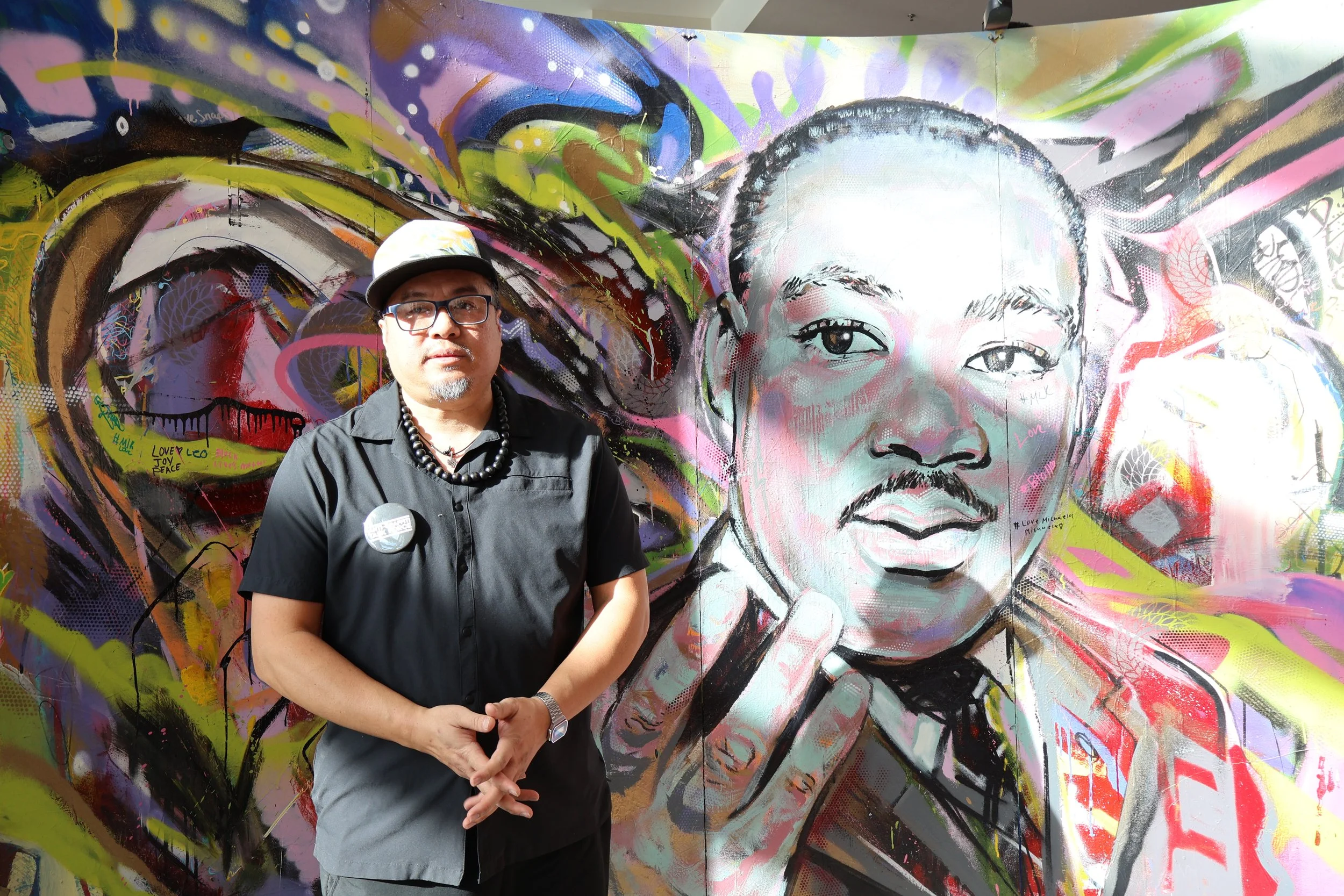
Image from Artists At Work, Springfield, MA
Across Massachusetts, artists, cultural workers, and humanists are pioneering creative solutions to some of today’s most urgent challenges: from workforce and youth development to art therapy services, infrastructure revitalization, climate action, and expanding accessibility.
In March 2026, MASSCreative and Mass Humanities presented an exhibit at the Massachusetts State House in celebration of Creative Sector Advocacy Week 2026 telling a selection of these stories. Sponsored by the Mass Cultural Council, the featured projects demonstrate how creativity strengthens communities and promotes a healthy, connected, and inspired Massachusetts. MASSCreative worked with artist and Massachusetts College of Art and Design graduate Michaelann Ferro to design the panel displays.
Whether it’s leveraging opioid settlements to invest in arts prescription or preserving legacies of storytelling, this exhibit showcased art as a catalyst for social cohesion, innovation, and lasting public impact.
Please enjoy these spotlights of artists and cultural organizations who are using creativity to solve real and urgent challenges in communities across the Commonwealth.
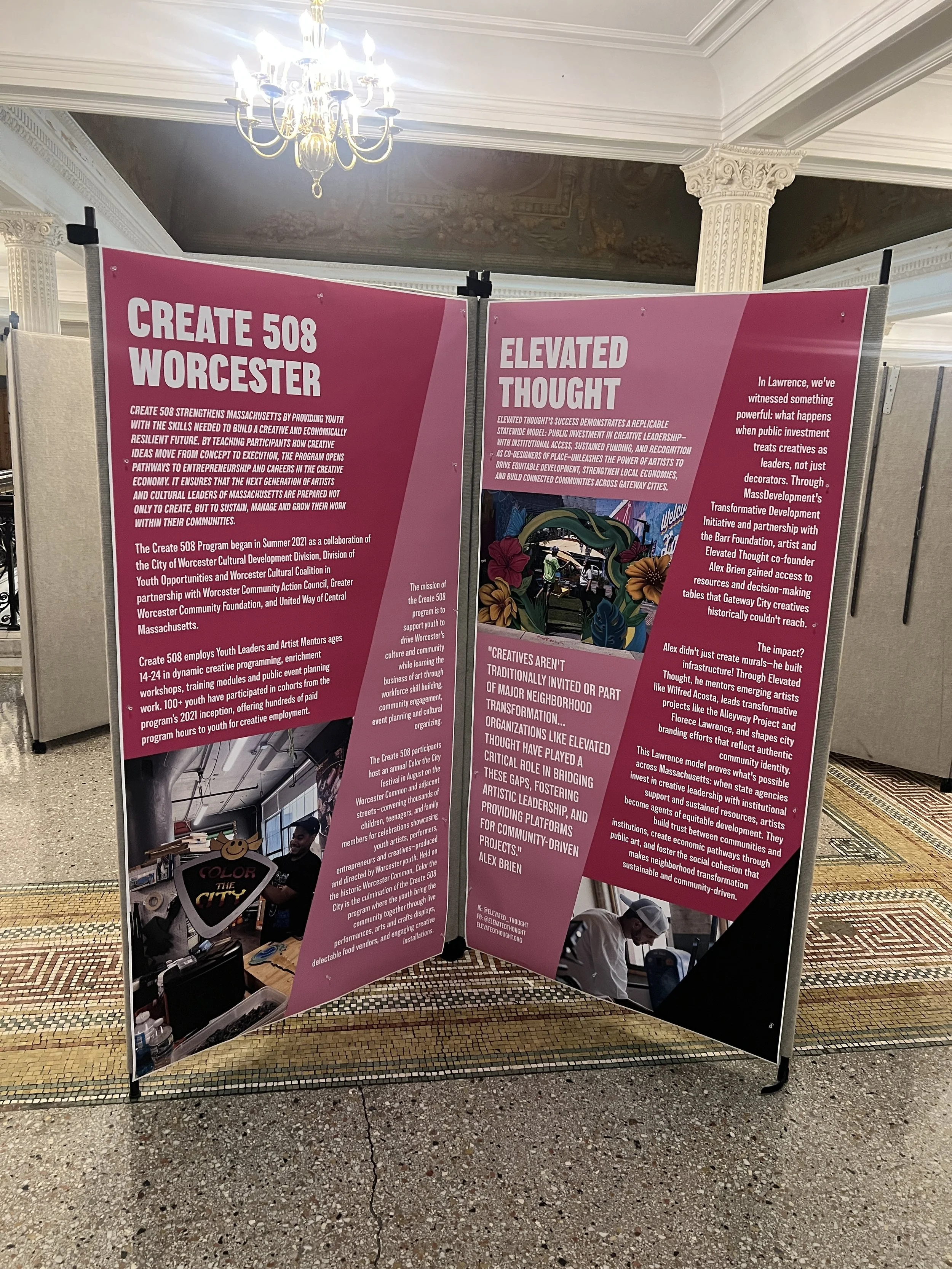
Creative Sector Advocacy Week 2026 exhibit designed by artist Michaelann Ferro.
CREATIVE SOLUTION STORIES
ARTISTS AT WORK, SPRINGFIELD
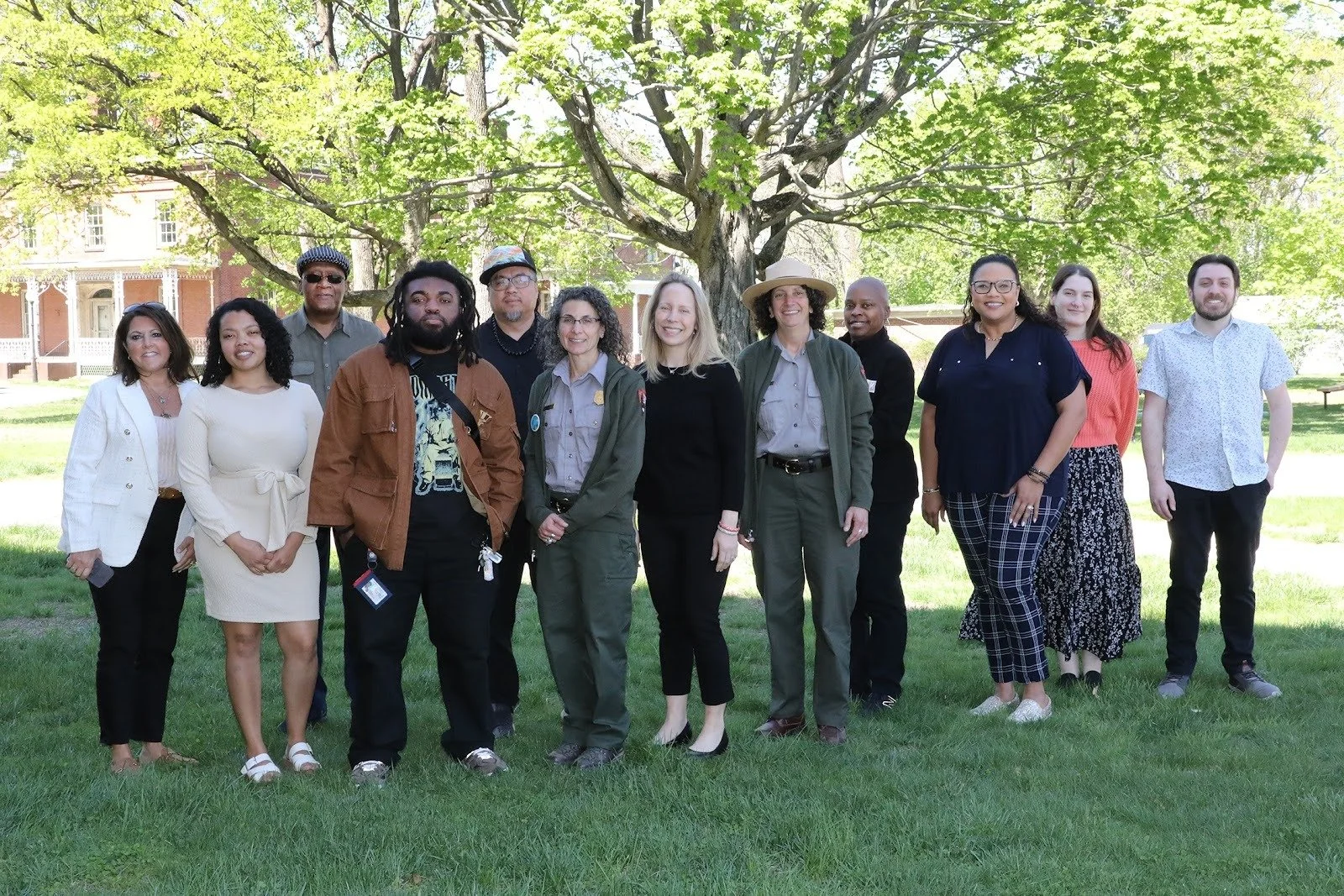
Image of Artists At Work with the Springfield Cultural Partnership
Artists At Work (AAW) is a national workforce resilience initiative inspired by the Works Progress Administration. The program recognizes artists as essential contributors to society by providing a living-wage salary, full health benefits, professional development, and a structured opportunity to lead civic engagement projects rooted in community priorities.
In Springfield, Artists At Work partnered with Springfield Cultural Partnership (SCP) to implement the program locally, embedding artists within trusted community institutions: MLK Jr. Family Services, Springfield Armory National Historic Site, and Springfield City Library. Together, AAW and SCP supported artists in collaborating with youth and residents around identity, history, wellness, and belonging, using creative practice as a tool for connection and dialogue.
Rather than working in isolation, the program centered on purposeful partnerships and collective creation, demonstrating how artists can strengthen civic life while contributing to local economic stability. Artists At Work shows how investing in creative labor builds trust, supports community well-being, and strengthens resilience across Massachusetts.
Artists at Work Springfield was made possible by meaningful support from the Fresh Sound Foundation, The Irene E. & George A. Davis Foundation, Baystate Health, and the National Endowment for the Arts
“[AAW] reaffirmed that artists can play an important role as interpreters of history and as members of the community.”
CREATE 508 YOUTH PROGRAM WORCESTER
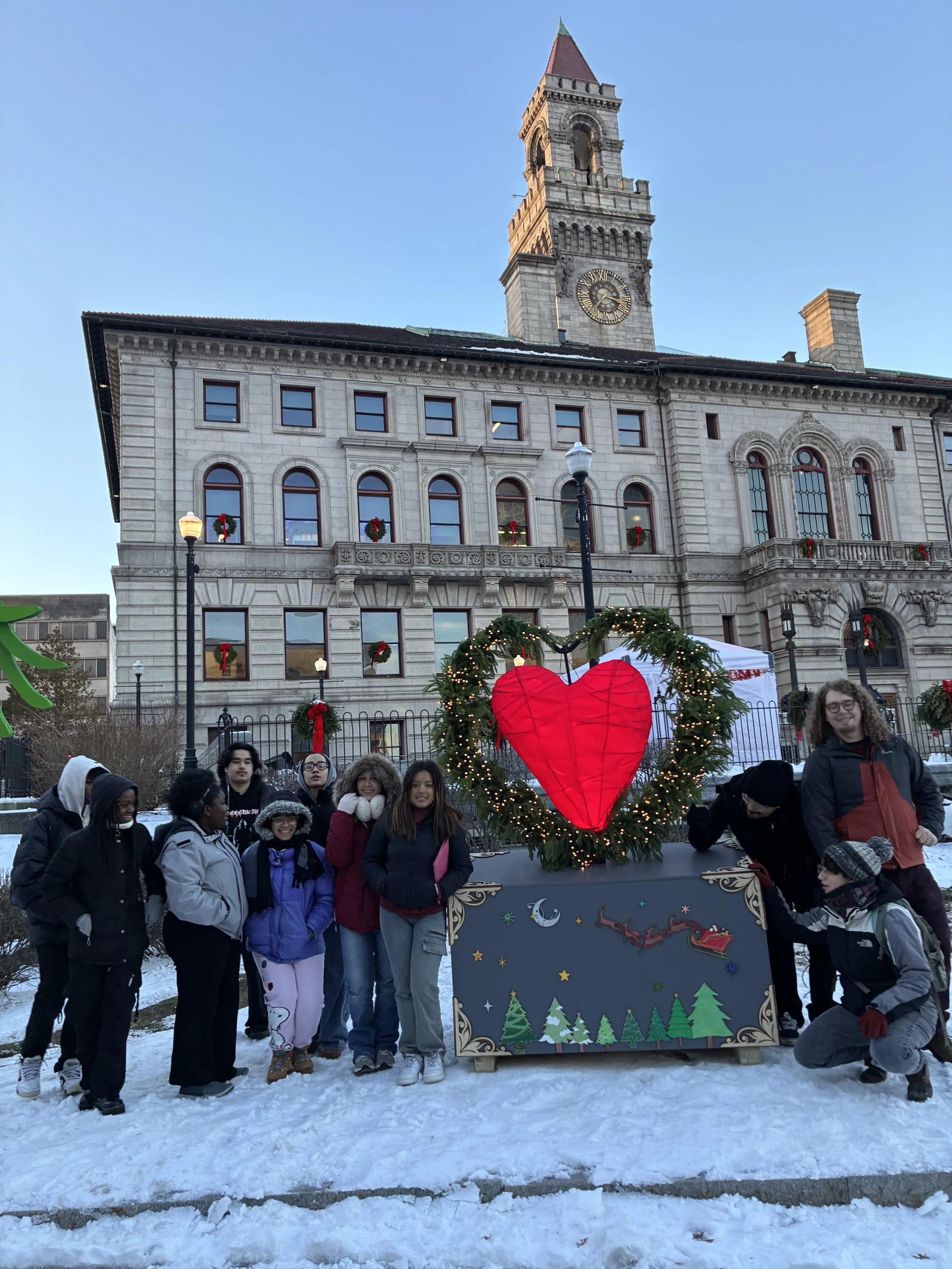
Image of Create 508 Youth Program Worcester
The Create 508 Program began in Summer 2021 as a collaboration of the City of Worcester Cultural Development Division, Division of Youth Opportunities and Worcester Cultural Coalition in partnership with Worcester Community Action Council, Greater Worcester Community Foundation, and United Way of Central Massachusetts.
Create 508 employs Youth Leaders and Artist Mentors ages 14-24 in dynamic creative programming, enrichment workshops, training modules and public event planning work. 100+ youth have participated in cohorts from the program’s 2021 inception, offering hundreds of paid program hours to youth for creative employment. The mission of the Create 508 program is to support youth to drive Worcester's culture and community while learning the business of art through workforce skill building, community engagement, event planning and cultural organizing.
The Create 508 participants host an annual Color the City festival in August on the Worcester Common and adjacent streets - convening thousands of children, teenagers, and family members for celebrations showcasing youth artists, performers, entrepreneurs and creatives - produced and directed by Worcester youth. Held on the historic Worcester Common, Color the City is the culmination of the Create 508 program where the youth bring the community together through live performances, arts and crafts displays, delectable food vendors, and engaging creative installations.
Create 508 strengthens Massachusetts by providing youth with the skills needed to build a creative and economically resilient future. By teaching participants how creative ideas move from concept to execution, the program opens pathways to entrepreneurship and careers in the creative economy. It ensures that the next generation of artists and cultural leaders of Massachusetts are prepared not only to create, but to sustain, manage and grow their work within their communities.
ELEVATED THOUGHT: CREATIVE LEADERSHIP TRANSFORMS LAWRENCE
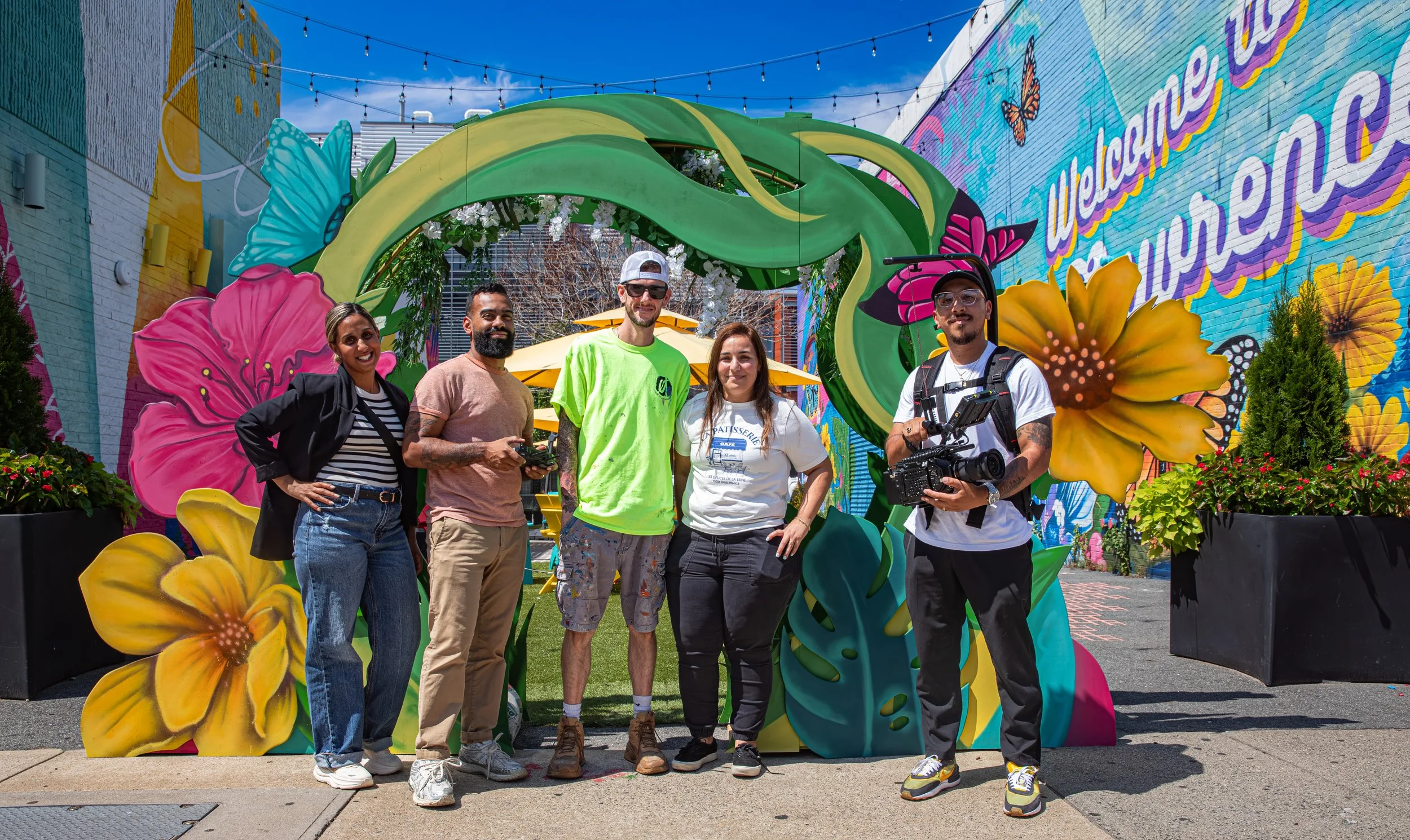
Image of Elevated Thought in Lawrence
In Lawrence, we've witnessed something powerful: what happens when public investment treats creatives as leaders, not just decorators. Through MassDevelopment's Transformative Development Initiative and partnership with the Barr Foundation, artist and Elevated Thought co-founder Alex Brien gained access to resources and decision-making tables that Gateway City creatives historically couldn't reach.
The impact? Alex didn't just create murals - he built infrastructure! Through Elevated Thought, he mentors emerging artists like Wilfred Acosta, leads transformative projects like the Alleyway Project and Florece Lawrence, and shapes city branding efforts that reflect authentic community identity.
This Lawrence model proves what's possible across Massachusetts: when state agencies invest in creative leadership with institutional support and sustained resources, artists become agents of equitable development. They build trust between communities and institutions, create economic pathways through public art, and foster the social cohesion that makes neighborhood transformation sustainable and community-driven.
Elevated Thought's success demonstrates a replicable statewide model: public investment in creative leadership—with institutional access, sustained funding, and recognition as co-designers of place—unleashes the power of artists to drive equitable development, strengthen local economies, and build connected communities across Gateway Cities.
“Creatives aren’t traditionally invited or part of major neighborhood transformation... Organizations like Elevated Thought have played a critical role in bridging these gaps, fostering artistic leadership, and providing platforms for community-driven projects.”
FRANKLIN SOCIAL RX
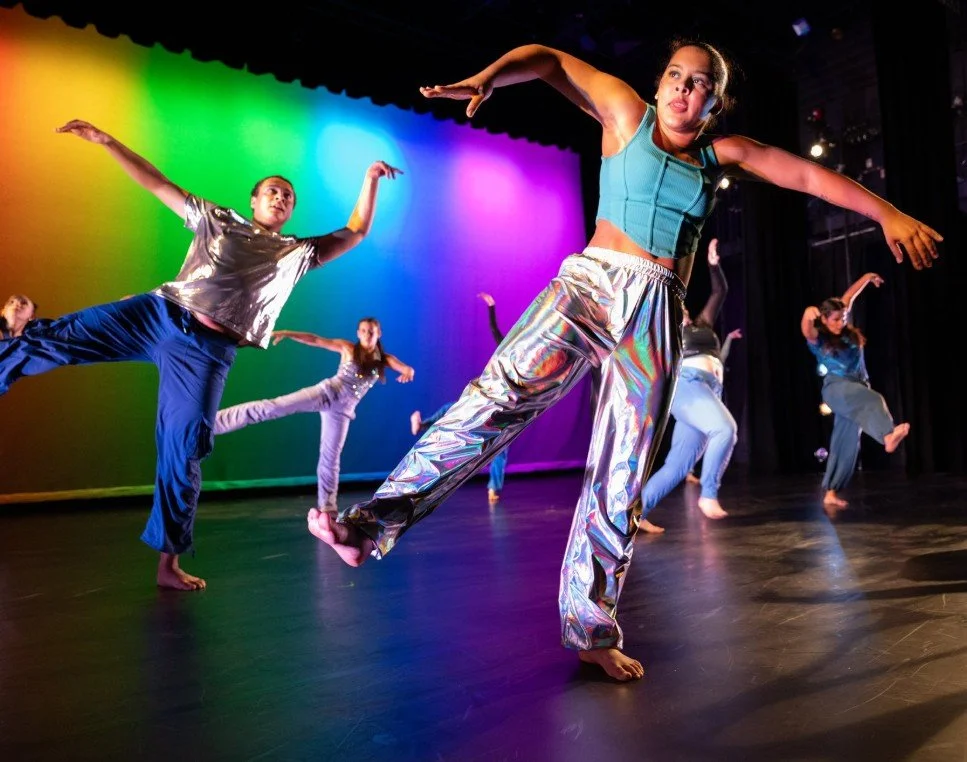
Performance by Dean College. Photo courtesy of the Franklin Cultural District.
The Town of Franklin recently became the first municipality in the United States to invest in a new, innovative tool to combat the ongoing impacts of the opioid crisis: Arts Prescriptions, the practice of referring patients to creative experiences such as music, visual arts, dance, and theater.
Funded through the Town’s opioid settlement funds, their Arts Prescriptions initiative is designed to support substance use prevention, harm reduction, treatment, and recovery efforts within the community.
Arts Prescription is a proven tool for improving mental health and fostering resilience, and since 2020 Mass Cultural Council has been investing in and developing cross-sector partnerships to establish Arts Prescriptions in the Commonwealth.
The arts have historically played a positive role in substance abuse recovery, helping to reduce withdrawal symptoms, cravings, and depression while increasing motivation, treatment eagerness, and enjoyment. By integrating the arts into wellness strategies, the Town of Franklin aims to provide inventive, accessible support for those in need.
The approach that the Town of Franklin is taking to address the opioid crisis through arts experiences is an effective, cost-efficient, and scalable solution for the state. Every municipality in Massachusetts is receiving opioid recovery funding in addition to funds being directed to the Commonwealth of Massachusetts. Franklin is a pioneer in what Mass Cultural Council hopes will be a broad adoption of Arts Prescriptions throughout the Commonwealth.
“In Franklin, the timing of incorporating Arts Prescriptions is especially crucial as we continue to navigate the challenges of the opioid crisis that has profoundly impacted our community.”
MASS HUMANITIES “EXPAND MASSACHUSETTS STORIES”
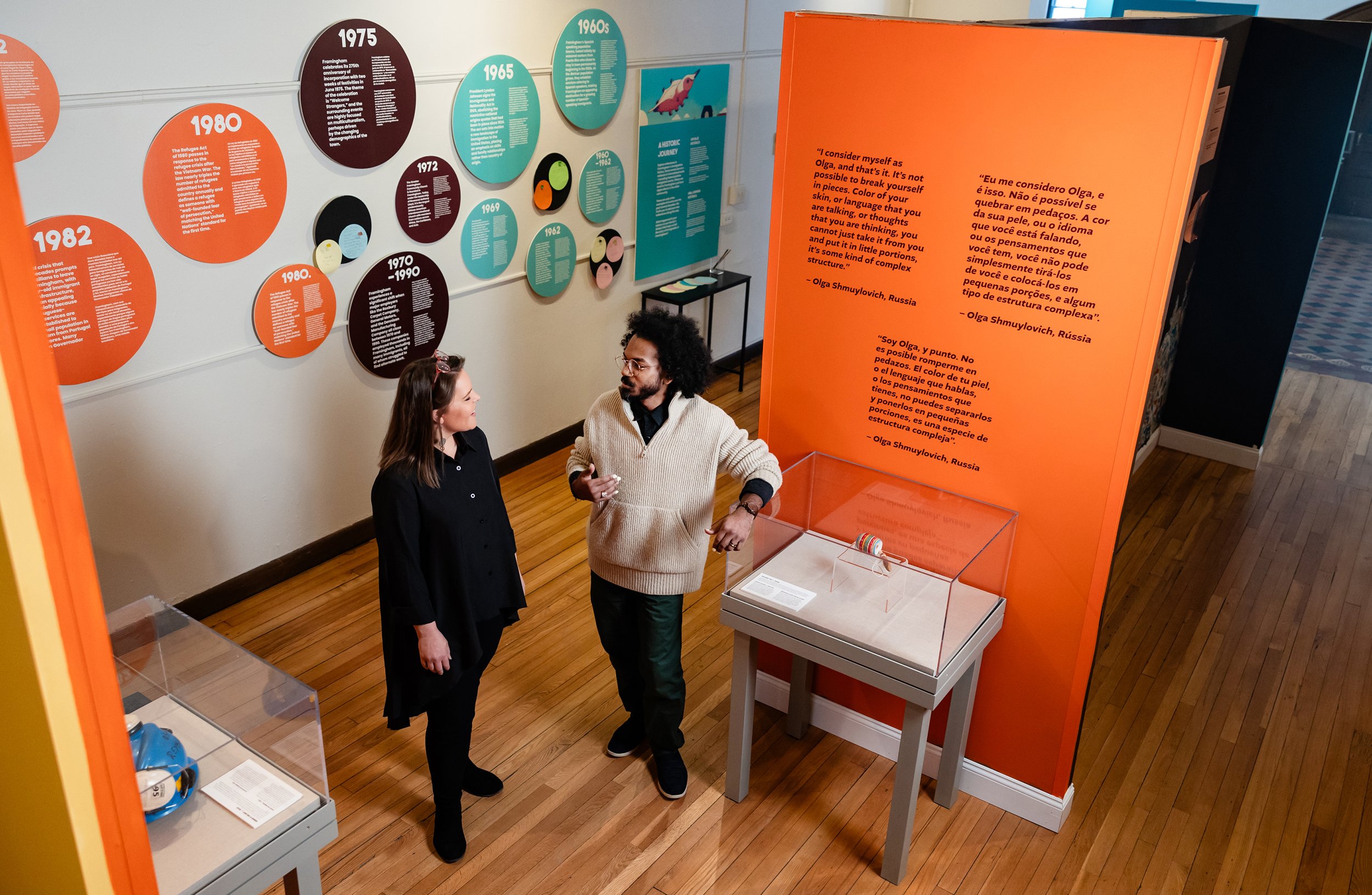
Courtesy of Mass Humanities
Mass Humanities launched its Expand Massachusetts Stories program in 2021 to highlight the diverse voices, cultures, and experiences of communities across the commonwealth.
In 2024, the Framingham History Center used its EMS grant to create “Framingham’s Collective Journeys: Stories of Immigration, 1960 - Present.” The exhibit was the first of its kind for FHC. All of its material was presented in English, Spanish, and Portuguese. The curatorial team insisted on involving community members at every stage of planning the exhibit, from building the displays and painting them, to contributing stories of their experiences, to translating information so that it follows cultural dialects. By sharing the city’s history in three languages, FHC succeeded in creating a more inclusive community hub.
Expand Massachusetts Stories was designed to shine a light on the untold histories and stories of Massachusetts. The museum exhibits, community programs, documentary films, oral histories, and teaching materials created by nonprofits like FHC deepen our collective understanding of the commonwealth.
“This exhibit shows that borders dissolve when stories are shared. People are craving a gathering space where they can exchange stories back and forth. And the History Center is known as a place where that happens.”
HOMECOMING AT MASS MOCA
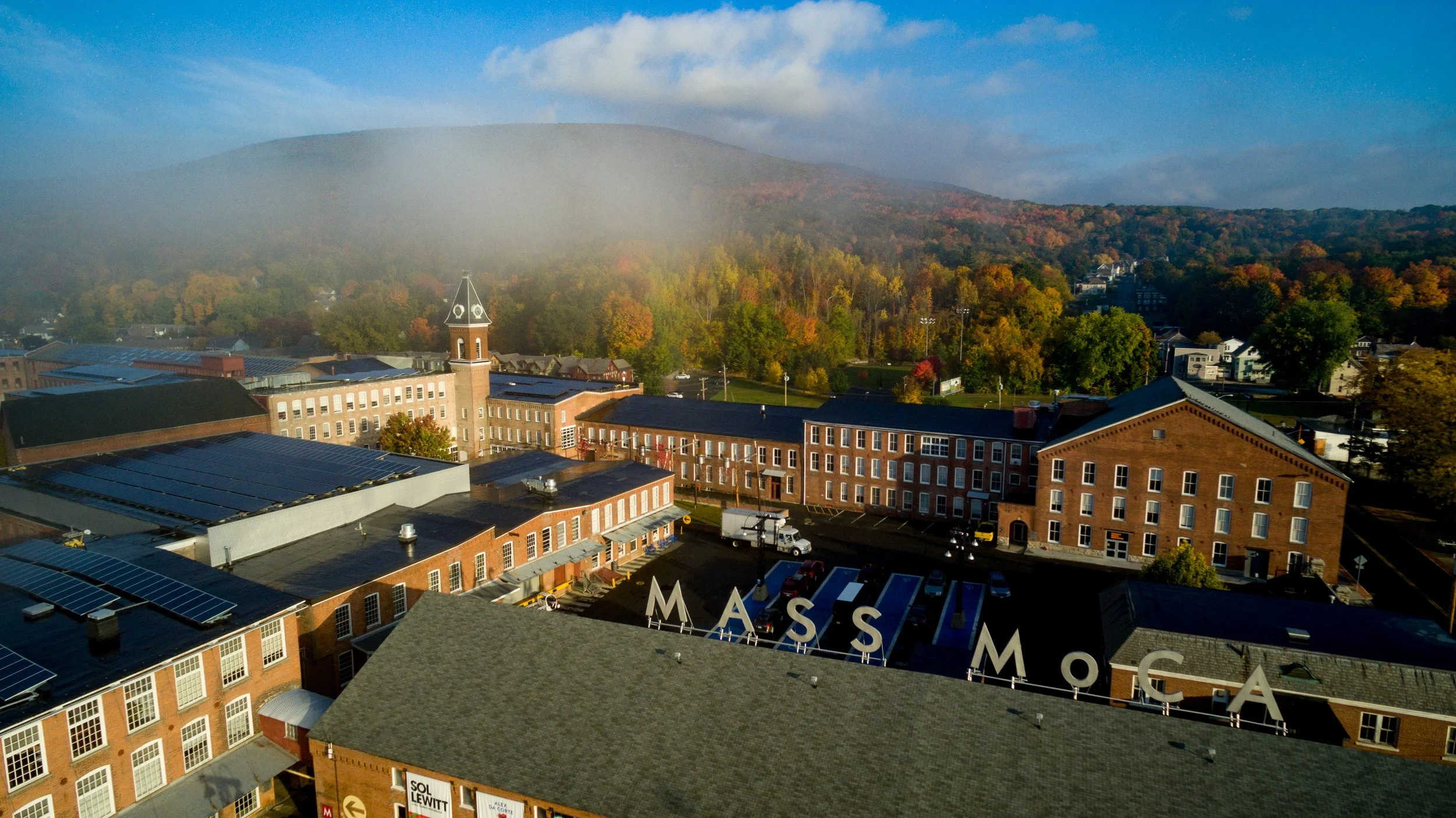
Image of MASS MoCA
Beginning June 13, 2026, artist Amanda Lovelee will present Homecoming at MASS MoCA (North Adams), an immersive outdoor exhibition designed to remember the connection between humans and nature while playfully addressing the urgency of climate change that is causing plants to migrate.
Lovelee, in collaboration with plant scientist, artist, and educator Jessica Gersony and members of the PLACE (PLant physiology, Art and Community Engagement) Lab at Smith College (Northampton), envisions MASS MoCA as a symbolic field station for two trees-in-residence participating in assisted plant migration, the practice of moving plants - generally long-living plants like trees - from a warmer environment to a typically cooler one as a means to support climate-smart forestry.
The exhibition at MASS MoCA will facilitate Assisted Plant Migration by bringing a red oak from Mellow Marsh Farm (North Carolina) to be in residence with a red oak from The Native Plant Trust (Massachusetts). They will be placed in proximity to each other, to share volatile organic compounds (tree hormones) through the air and communicate with each other, learning survival strategies the other has embodied, growing together and learning from each other's differences.
Central to this installation are artist-designed bleachers created for museum visitors to gather and watch two trees-in-residence grow. Participatory programming, such as pep rallies and performances, will be staged throughout the trees’ residency.
Over 177,000 people visit MASS MoCA annually, contributing over $83.5M in total economic impact to the Berkshires. Homecoming is both a new outdoor exhibition that will engage museum visitors in North Adams, and illuminates the urgency of impacts from climate change in Massachusetts.
“Lovelee’s installation models how arts and sciences can collaborate to increase cultural understanding of how plant life influences ecological renewal.”
MASSACHUSETTS COLLEGE OF ART AND DESIGN PARTNERING WITH TATUM ROBOTICS
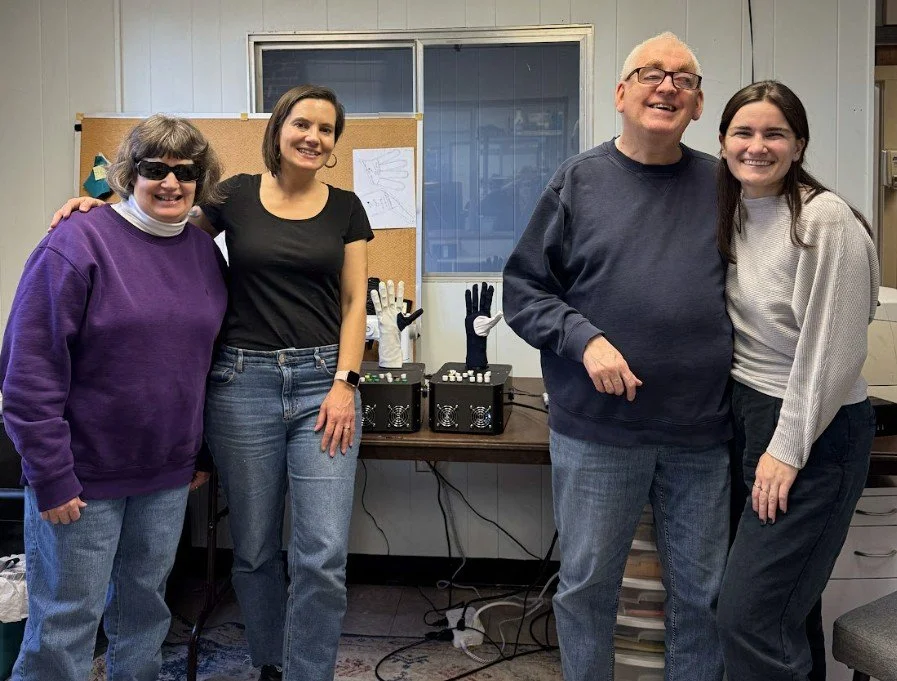
Massachusetts College of Art and Design (MassArt) Associate Professor Cara Tuttle and a group of fashion design students at MassArt partnered with local robotics company Tatum Robotics to create a glove to fit a very special robotic hand. The hand uses American Sign Language to communicate with members of the DeafBlind community through tactile signing. People in this community cannot see or hear and face enormous challenges receiving information. The robotic hand is the first of its kind to offer DeafBlind people the ability to receive information robotically.
Professor Tuttle integrated the creation of the glove design and prototypes into her Degree Project 1 course. The project provided students with an incredible opportunity to engage with a real-world, inclusive design challenge.
Professor Tuttle's work with Tatum Robotics shows the transformative power of creativity and what's possible through cross-sector collaboration in the Commonwealth's innovation ecosystem.
“Our partnership with Tatum Robotics was an incredible opportunity for our students to gain experience solving a real-world design problem right here in the classroom and demonstrates the important role that artists and designers play in the innovation economy.”
“We loved learning more about the DeafBlind community and interacting with two very friendly members who discussed their stories, needs, and hopes with us. We discovered that fashion can truly intersect with any industry or field. Although we did not imagine that ASL and fashion could come together in this beautiful and unique way, we are grateful that we got to participate in this innovative process.”
NEW ENGLAND FOUNDATION FOR THE ARTS’ PUBLIC ART FOR SPATIAL JUSTICE PROGRAM
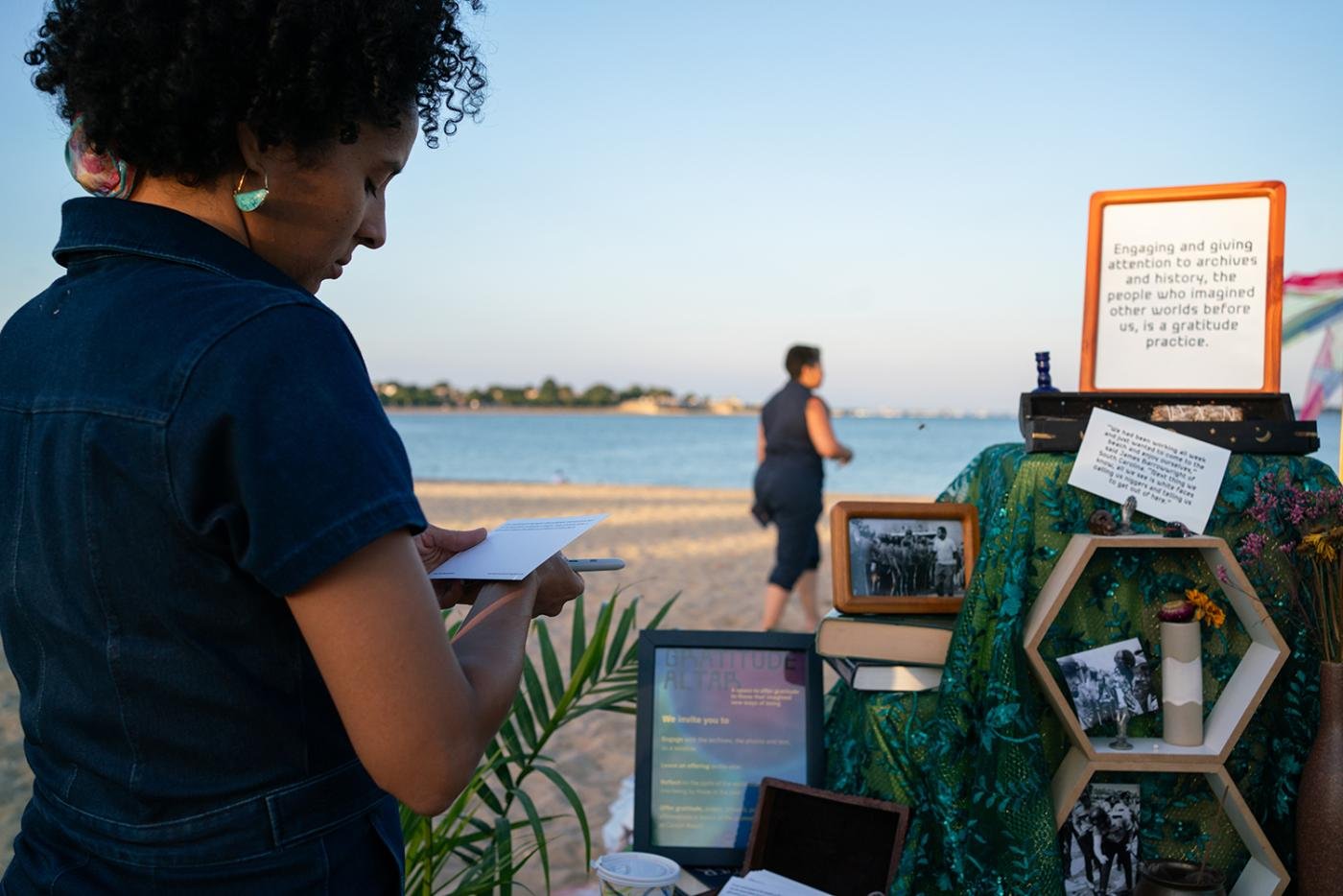
Public Art for Spatial Justice, a grant program by New England Foundation for the Arts, aims to support public artmaking that helps us see, feel, experience and imagine spatial justice now, while we are still on this journey towards realizing more just futures for our public spaces and public culture.
crystal bi and Dzidzor Azaglo received a Public Art for Spatial Justice grant in 2023 for the Department of Public Imagination - a public art project that creates space for community in Boston to participate in imagination work and connect with others around shared dreams for the future.
The Department of Public Imagination is an invitation to choreograph the movements of engaging with both the past, present, and the future - how the past has used beaches as a site of public right, churches as a space of worship, community gardens as a nutritious hope, or playgrounds as an opportunity to dream. The invitation is to look at the landscape of communities and what residents have shaped in the midst of systems, red-lining, and food deserts.
In their two-week residency, crystal bi and Dzidzor Azaglo engaged nearly 300 people, collected 127 community dreams for the future, and held a series of programming (workshops, jam sessions, and panel conversations) to engage folks in conversations around imagination throughout history.
“The Department of Public Imagination prototypes new infrastructure for imagination work in Boston through installation, performance, and social practice art. Too often our communities are reshaped by top-down design by developers or city officials. For us, increasing a sense of spatial justice means creating spaces full of possibilities, where our communities can rest and dream of new worlds.”
RAW ART WORKS SUPPORTING CREATIVE YOUTH
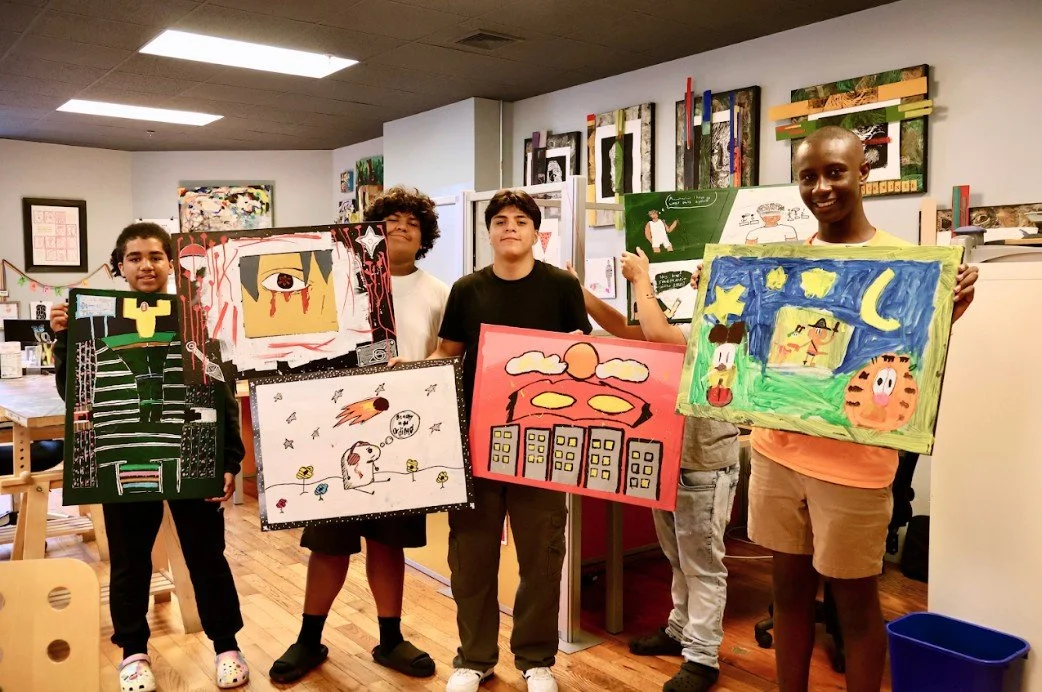
A creative youth development organization rooted in art therapy and centered in community, Raw Art Works (RAW) offers a variety of free programming for youth in grades 4-12. Our mission is to ignite the desire to create and confidence to succeed in our youth.
RAW believes that all kids should be seen and heard, and that everyone has a story to tell. Located in Lynn, Massachusetts, RAW uses art to ask kids “What’s really going on?” in their lives, give them the tools to create in unexpected ways, and envision new possibilities for their future.
Since 1988, RAW has developed a nationally recognized model for implementing high-quality, trauma-informed creative youth development programming through visual art groups and the Real to Reel FilmSchool. The work we do is about more than individual transformation - it's about driving systemic change. By centering equity and fostering collaboration, we aim to create a brighter, more inclusive community for all.
RAW has been a regional and national leader in the field of Creative Youth Development (CYD) for 38 years. RAW launched its model in 1988 focusing on the development of social-emotional skills in youth mostly from low-income and immigrant households. In the late 1990’s and early 2000’s, RAW developed innovative youth leadership, youth employment, and college and career readiness programs that would become CYD standards as the field formalized at state and national levels in the mid-2010’s.
In 2012, with support from Mass Cultural Council, RAW led a collaboration with four other regional CYD organizations to form the Boston Youth Arts Evaluation Project, which developed an evaluation framework that is now used by 75 CYD organizations in Massachusetts and has been adopted at a national level.
Lynn is a vibrant community with a rich tapestry of historical, cultural, ethnic, linguistic, and artistic threads. However, RAW youth remain under-resourced:
88% come from families with low or extremely low incomes
49% face mental health challenges or have other clinical needs (up from 36% last year)
28% have an Individualized Education Program, a 504 Plan, or face other learning challenges
RAW asks what more we can do to foster equity and justice in the lives of our youth, and how we can systemically change harmful systems.
2025 Impact Data:
2,200+ hours of clinical support
455 youth served
1,975 community program participants
55 youth employees
$105K paid to youth
“RAW taught me hope. They showed me that leaning on others isn’t a weakness, it’s a strength. I learned that I could face challenges head-on if I truly believed in what I was doing. It’s okay not to have all the answers since asking for help is a sign of growth, not failure. These lessons didn’t stay in the studio. They followed me into school, into my job, into the way I support my teammates and the kids I mentor.”